
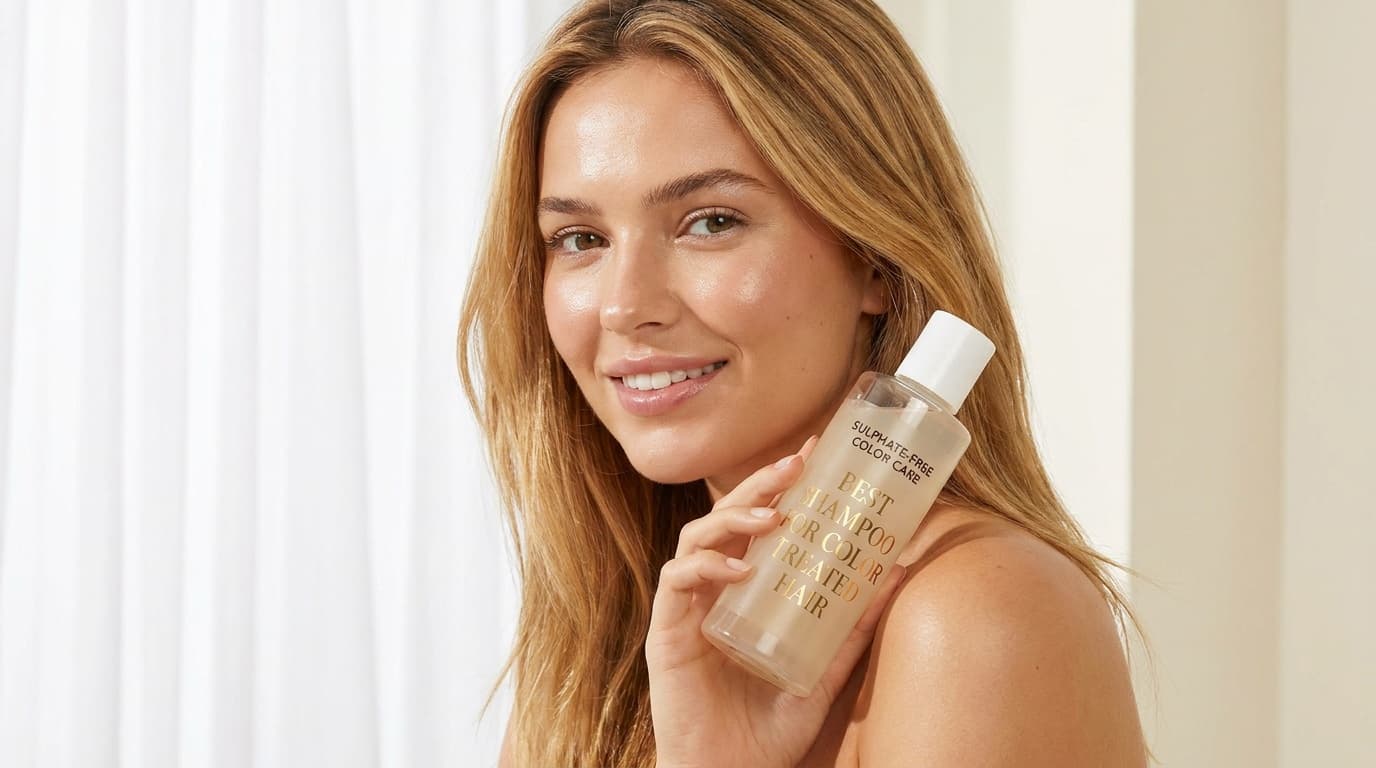
The best shampoo for color treated hair is a sulfate-free, pH-balanced formula that cleans gently without stripping dye or drying the hair shaft. The right shampoo helps color last longer, reduces frizz, and protects the cuticle so your hair stays shinier and healthier between salon visits.
Quick Takeaways
- Choose sulfate-free shampoo: Harsh surfactants can fade color faster by lifting the cuticle and washing out pigment.
- Look for acidic or pH-balanced formulas: These help keep the hair cuticle flatter, which supports shine and color retention.
- Prioritize hydration and protein balance: Color-treated hair usually needs moisture first, with occasional strengthening ingredients like hydrolyzed proteins.
- Wash less often when possible: Even the best shampoo for color treated hair works better if you limit washes to 2 to 3 times per week.
- Heat and UV matter too: Shampoo helps, but hot tools, sun, and hard water can fade color just as fast.
What is the best shampoo for color treated hair?
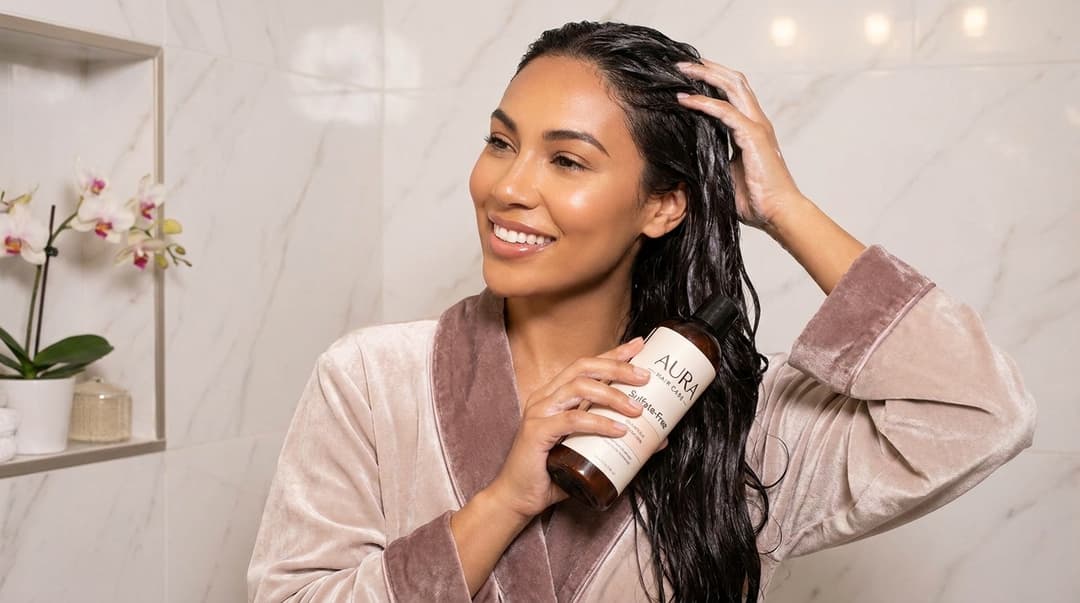
The short answer: a gentle, sulfate-free shampoo made for dyed hair is usually your best bet. I tell patients to think less about fancy claims and more about what actually protects the cuticle. Hair color sits partly inside the hair shaft, and when the cuticle is roughed up by harsh cleansers, hot water, or over-washing, pigment escapes more easily.
So, when you're shopping for the best shampoo for color treated hair, look for formulas labeled:
- Sulfate-free
- Color-safe
- pH-balanced or acidic
- Moisturizing
- UV-protective, if you're outdoors a lot
I've found that people often blame their hair dye when the real issue is their cleanser. A shampoo that's too aggressive can make fresh color look dull in a week or two, especially with reds, coppers, and fashion shades.
Why does color-treated hair need a different shampoo?
Color-treated hair is usually more porous than virgin hair. That means it absorbs water fast, but it also loses moisture and pigment fast. Bleaching, highlighting, permanent dye, and even frequent gloss treatments can weaken the outer cuticle layer.
Here's why a regular shampoo may not cut it:
- It may contain strong detergents. Sulfates like sodium lauryl sulfate can remove oil effectively, but they may also accelerate fading.
- It may raise the cuticle too much. Once the cuticle lifts, color molecules can rinse out more easily.
- It may dry the hair shaft. Dry hair reflects less light, so color looks duller and rougher.
- It may worsen frizz and tangling. Damaged cuticles catch on each other, which makes hair feel coarse.
- It may not support scalp balance. A healthy scalp matters too, because irritation can lead people to over-wash or scrub aggressively.
Honestly, this is why dyed hair often feels great right after a salon visit but starts acting up after a few washes at home.
What ingredients should you look for in a color-safe shampoo?
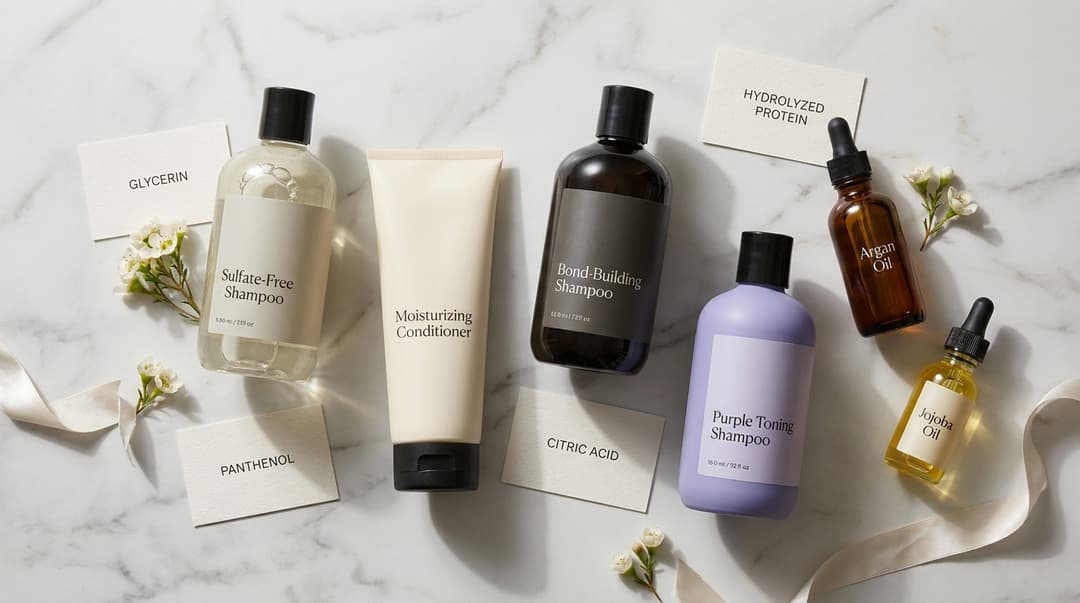
If you want the best shampoo for color treated hair, ingredient type matters more than marketing buzzwords. A few categories are especially helpful.
- Gentle surfactants: Look for milder cleansers such as cocamidopropyl betaine or sodium cocoyl isethionate instead of harsher sulfates.
- Humectants: Glycerin, panthenol, and hyaluronic acid help pull in moisture.
- Emollients: Ingredients like argan oil, jojoba oil, and fatty alcohols can soften rough hair.
- Hydrolyzed proteins: These may help temporarily reinforce weak areas of the hair shaft, especially if your hair is bleached.
- Antioxidants and UV filters: These can help reduce environmental stress that contributes to fading.
- Acidifying agents: Citric acid and similar ingredients can support a smoother cuticle surface.
A couple product types worth considering:
- Sulfate-free moisturizing shampoo: Best for dry, highlighted, bleached, or brittle hair.
- Purple or blue toning shampoo: Useful for blondes or brunettes dealing with brassiness, but not for every wash.
- Bond-building shampoo: A good option if your color-treated hair also feels fragile or overprocessed.
Look, toning shampoos are helpful, but they aren't your everyday cleanser unless your hairdresser specifically recommends frequent use. Overdoing them can leave hair dry or slightly muddy in tone.
Which ingredients should you avoid if you want color to last?
Not every ingredient is automatically bad, but some are more likely to cause trouble if your goal is long-lasting color.
- Strong sulfates: These can strip natural oils and fade dye faster in some hair types.
- High-alcohol formulas: Some drying alcohols can make already porous hair feel rougher.
- Heavy buildup ingredients: Too much residue can make color look flat and force you to wash more often.
- Overly fragranced formulas if you're sensitive: Scalp irritation can lead to scratching and over-cleansing.
If you have a flaky or oily scalp, this gets a little more nuanced. Medicated shampoos are sometimes necessary, and scalp health comes first. In that case, I usually suggest alternating a treatment shampoo with the best shampoo for color treated hair rather than abandoning scalp care altogether.
How often should you wash color-treated hair?
Most people with dyed hair do best washing 2 to 3 times per week. If your scalp gets oily quickly, every other day may be realistic. If your hair is dry, coarse, curly, or bleached, you may be able to stretch washes longer.
To make each wash less damaging:
- Use lukewarm water, not hot.
- Apply shampoo mainly to the scalp, not the lengths.
- Let the suds rinse through the ends instead of scrubbing them.
- Follow with a color-safe conditioner or mask.
- Use a heat protectant before blow-drying or styling.
I've found that this simple shift, especially cooler water and less scrubbing, can make a bigger difference than switching between five trendy products.
How do you choose the right shampoo for your hair type?
The best shampoo isn't identical for everyone. Your scalp type, texture, and color service all matter.
- For fine color-treated hair: Choose a lightweight volumizing, sulfate-free shampoo that won't leave residue.
- For thick or coarse hair: Go for a richer moisturizing shampoo with oils, fatty alcohols, or smoothing ingredients.
- For bleached or highlighted hair: A bond-building or protein-support shampoo can help with fragility, as long as it's balanced with moisture.
- For curly or coily dyed hair: Look for a hydrating, low-lather cleanser that protects against dryness and frizz.
- For oily scalp with colored ends: Use a gentle balancing shampoo on the scalp and keep conditioner focused from mid-length to ends.
- For vivid fashion colors: Pick the gentlest cleanser possible and reduce wash frequency, since bright shades tend to fade fastest.
So, if your hair feels both greasy and dry, you're not imagining it. That's really common after coloring. The scalp may still produce oil while the mid-lengths and ends are more porous and dehydrated.
What else helps color-treated hair stay vibrant longer?
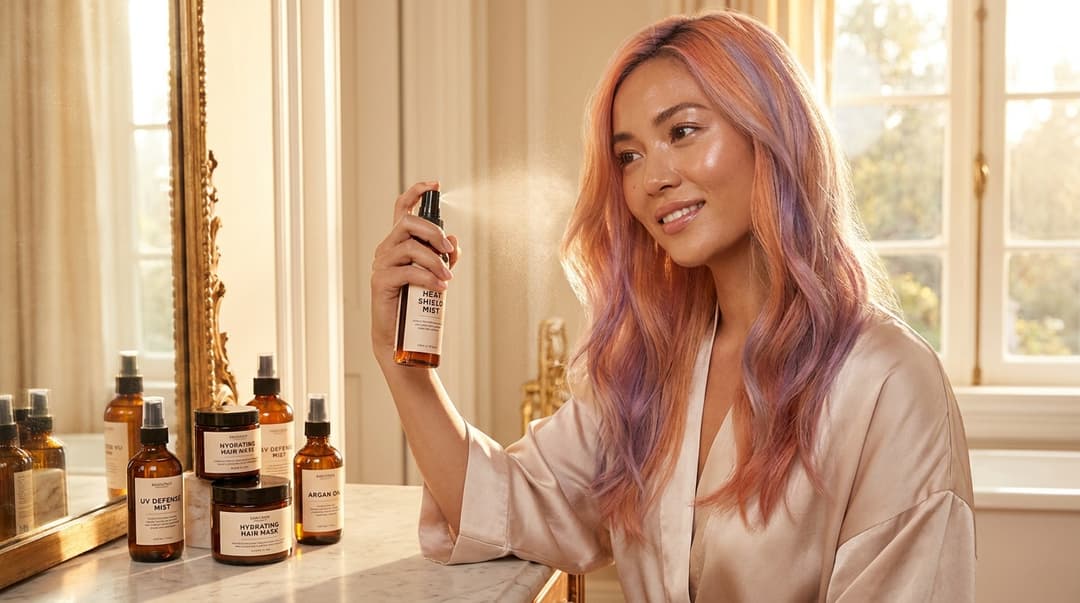
Shampoo matters, but it isn't the whole story. If your color keeps fading fast, these habits usually help more than people expect.
- Install a shower filter if you have hard water. Mineral buildup can make color look dull and brassy.
- Use a weekly hair mask to improve softness and reduce breakage.
- Protect hair from UV exposure with a hat or leave-in product if you're in the sun often.
- Limit hot tools or lower the temperature setting.
- Wait at least 48 to 72 hours after coloring before your first shampoo when possible.
- Blot hair gently with a soft towel or T-shirt instead of rough rubbing.
Honestly, hard water is one of the most overlooked reasons expensive color seems to "disappear." I've seen people swap shampoos three times when the real culprit was mineral-heavy water the whole time.
The Bottom Line
The best shampoo for color treated hair is one that's sulfate-free, gentle, hydrating, and pH-balanced for your specific hair type. If you pair that with less frequent washing, lukewarm water, conditioner, and heat protection, your color will usually stay brighter and your hair will feel healthier for longer.
If you want more smart beauty advice and product picks without the guesswork, sign up for Insider Beauty's weekly deals and get the good stuff sent straight to your inbox.
Want more tips and exclusive beauty deals delivered to your inbox? Pop your email in the box below and join thousands of insiders who save big every week.