
The slugging skincare trend is a method of sealing your nighttime routine with an occlusive layer (usually petrolatum or a balm) to lock in moisture. It works by reducing water loss from your skin overnight, which can dramatically boost hydration and repair your skin barrier. Here’s exactly how to do slugging safely, who it’s best for, and when you should skip it.
Quick Takeaways
- Slugging = sealing your skincare with an occlusive layer (like petrolatum or a rich balm) as the last step at night
- Best for dry, dehydrated, or sensitive skin that needs barrier repair, and usually not ideal for very oily or acne-prone skin
- You must apply slugging over clean, simple skincare – no strong acids, retinoids, or exfoliants right underneath
- Start 1–2 nights a week and adjust based on how your skin reacts instead of slugging every single night
- You don’t have to use petrolatum – there are more natural, fragrance-free balm options that still give that sealed-in hydration
What Is the Slugging Skincare Trend, Exactly?
Slugging skincare is the trend of applying a thick, occlusive product as the very last step in your nighttime routine to prevent water loss. The name comes from the shiny, slightly slimy look your face gets afterward, kind of like a slug trail (cute, I know).
In more science-y terms, slugging uses occlusive ingredients to create a protective film on top of your skin. That film:
- Reduces transepidermal water loss (TEWL)
- Helps your skin hold onto hydration from your serums and moisturizers
- Gives your skin barrier a chance to repair overnight
The classic product used for slugging is plain petrolatum ointment, but more people are now using rich balms, ointment-style moisturizers, or oil-based sleeping masks instead.
Honestly, I’ve found that for dry, wind-chapped skin in winter, slugging even just once a week can make your face feel like it finally exhaled.
How Slugging Works on Your Skin (In Plain English)
So, here’s what’s happening when you try the slugging skincare trend:
- Your skin is constantly losing water throughout the day and night
- Cold air, hot showers, over-exfoliating, and harsh cleansers speed that water loss up
- When your barrier is damaged, your skin feels tight, flaky, reactive, and just…mad
Slugging steps in as a temporary shield. Occlusive ingredients like petrolatum, shea butter, beeswax, or certain plant oils sit on the surface and act like a lid on a pot. They don’t add tons of hydration by themselves; they trap in what you already applied.
That’s why slugging works best when you:
- Hydrate your skin first (think: hydrating toner, essence, or serum)
- Add a nourishing moisturizer
- Seal it all in with an occlusive layer
This is also why slugging can backfire if you put it on top of strong actives like retinoids or exfoliating acids. You’re not just sealing in moisture – you’re also sealing in irritation.
Who Should Try Slugging (And Who Should Skip It)
Look, slugging is not for everyone, and that’s totally okay.
Slugging is usually a good fit if:
- You have dry or very dry skin
- You’re dealing with dehydrated, tight, or flaky skin
- Your barrier is compromised from over-exfoliating or harsh products
- You have sensitive or reactive skin that needs calming
- You live in a cold, dry climate or are in heated indoor air all winter
I’ve seen it help a lot with that tight, post-shower feeling and with makeup going on less patchy because the skin underneath is more supple.
You may want to avoid slugging if:
- You have very oily skin
- You’re prone to clogged pores, blackheads, or acne
- You’re dealing with active breakouts or fungal acne
- You get milia (those tiny white bumps) easily from heavy products
Does slugging cause acne? It doesn’t technically clog pores by itself if you’re using something like plain petrolatum (which is actually non-comedogenic), but sealing in a mix of heavy products, sweat, and bacteria can absolutely worsen breakouts for some people.
If your T-zone is oily but your cheeks are dry, you can always slug selectively – only on the driest areas, not your whole face.
How To Do Slugging Step-by-Step (Safely)
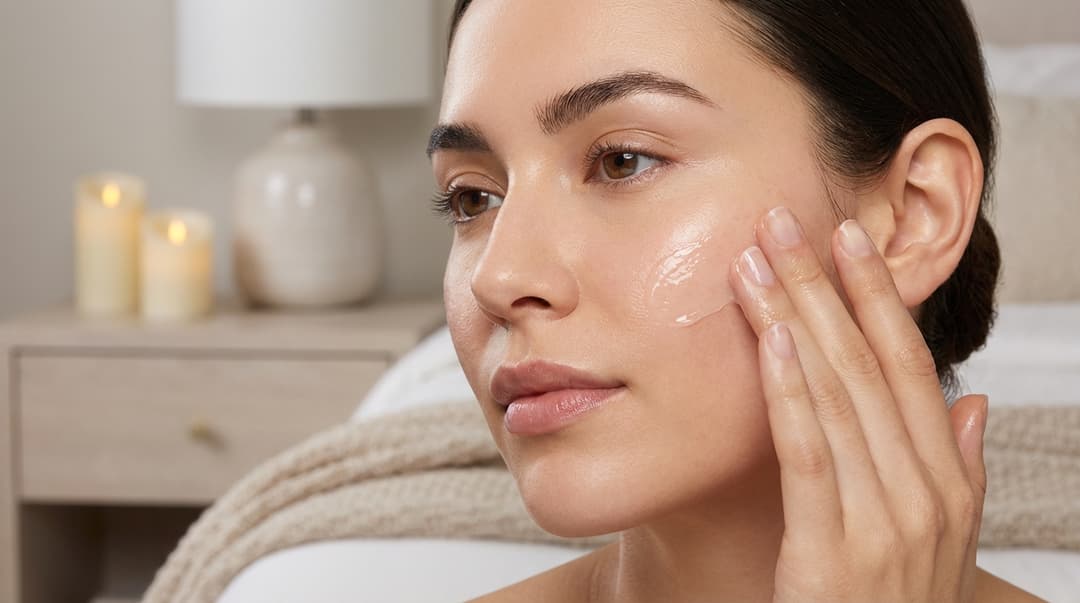
Here’s how to try the slugging skincare trend without wrecking your barrier or waking up with clogged pores.
Start with a gentle cleanse
Use a mild, low-pH cleanser to remove makeup, sunscreen, and grime. Avoid harsh foaming washes that leave your face squeaky; that already stresses your barrier.Apply hydrating layers
Go in with a hydrating toner, essence, or serum that includes ingredients like glycerin, hyaluronic acid, aloe, or panthenol. Let it absorb.Add a barrier-friendly moisturizer
Choose a fragrance-free cream with ceramides, cholesterol, fatty acids, or oat extracts. This is your main nourishment step under the occlusive.Skip strong actives on slugging nights
Avoid layering underneath:- Retinoids
- AHAs/BHAs (glycolic, lactic, salicylic acid)
- Strong vitamin C (ascorbic acid)
- Benzoyl peroxide
Sealing these in can make them more irritating. I usually tell people: keep slugging nights boring.
Apply your occlusive layer
This is the actual slugging step. Use a thin, even layer of one of these:- Plain petrolatum ointment (classic slugging choice)
- A rich, fragrance-free balm with ingredients like shea butter, squalane, jojoba, or beeswax
- An occlusive overnight sleeping mask that’s designed to seal in hydration
You don’t need to look like you dipped your face in oil. A light film is enough.
Protect your pillowcase
If you hate the greasy feeling, you can:- Use an old pillowcase
- Sleep on a clean towel
- Focus slugging only on cheeks or dry patches instead of your whole face
Rinse gently in the morning
Use lukewarm water and a gentle cleanser or even just a water rinse, depending on your skin. Then follow your usual morning routine with moisturizer and sunscreen.
Best Products for Slugging: Clean and Conventional Options
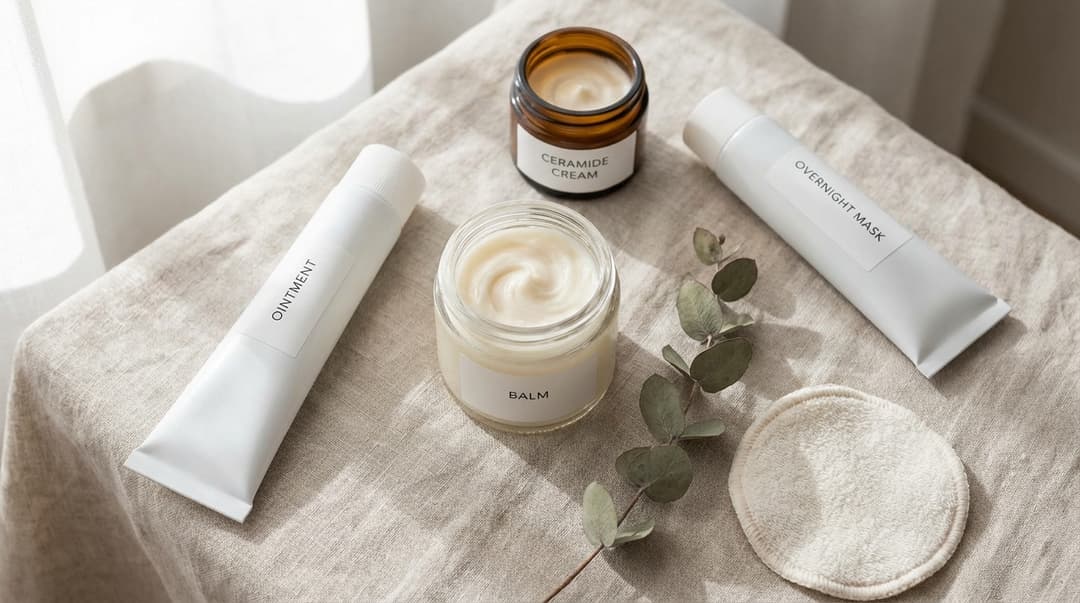
You don’t need anything fancy to try the slugging skincare trend, but product type matters a lot.
Petrolatum ointment:
This is the OG slugging product. It’s extremely occlusive, non-comedogenic, and great for seriously dry, compromised skin. That said, it’s fossil-fuel derived, so if you’re trying to keep your routine more eco-conscious, you might prefer alternatives.Rich, fragrance-free balms:
These are my personal go-to. Look for balms that are:- Petrolatum-free (if that’s your preference)
- Made with ingredients like shea butter, cocoa butter, beeswax or plant waxes, squalane, jojoba oil, or sunflower seed oil
- Free from strong essential oils and heavy fragrance, especially if you’re sensitive
They’re usually less suffocating than pure petrolatum but still occlusive enough to lock in moisture.
Ointment-style moisturizers:
These sit somewhere between a cream and a balm. They’re great if you want the slugging benefits without a super thick, sticky layer.Sleeping masks / overnight masks:
Some are more humectant (hydrating), some more occlusive. For slugging, look for ones marketed as barrier repair, intense hydration, or ceramide-rich.
Eco-wise, I’ve found that plant-based balms in minimal packaging hit a nice sweet spot between performance and sustainability.
How Often Should You Slug? Frequency and Adjustments
So, how often should you do the slugging skincare trend? It really depends on your skin type and climate.
Use this as a starting point:
- Very dry or compromised skin: 2–3 nights per week
- Normal to slightly dry skin: 1–2 nights per week
- Combination skin: 1 night per week, or only on dry areas
- Oily or acne-prone skin: Either skip it, or spot-slug only on dry patches (around the nose, mouth, or under eyes)
Watch for these signs you’re overdoing it:
- New clogged pores or small bumps
- Skin feels heavy, greasy, or suffocated
- You’re getting more breakouts than usual
If that happens, pull back to once a week, use a thinner layer, or switch to a lighter occlusive (like a rich cream instead of a full-on balm).
Common Slugging Mistakes to Avoid
Here are the biggest slugging mistakes I see, and how to fix them.
Using harsh actives underneath
Sealing in retinoids or strong acids can lead to redness, irritation, and peeling. Keep slugging nights simple and soothing.Not cleansing properly first
If you leave sunscreen, makeup, or city grime on your skin and then seal it in, you’re basically marinating your face in that all night.Using way too much product
You don’t need a thick, goopy coat. A thin film that makes your skin slightly shiny is enough.Slugging every single night no matter what
Your skin’s needs change. Some nights you might just need a good moisturizer, not a full occlusive layer.Ignoring your neck and lips
These areas often get dry too. You can slug your lips with a balm and lightly tap a bit of occlusive on your neck or even your hands.
Clean Beauty Tips for a More Eco-Conscious Slugging Routine
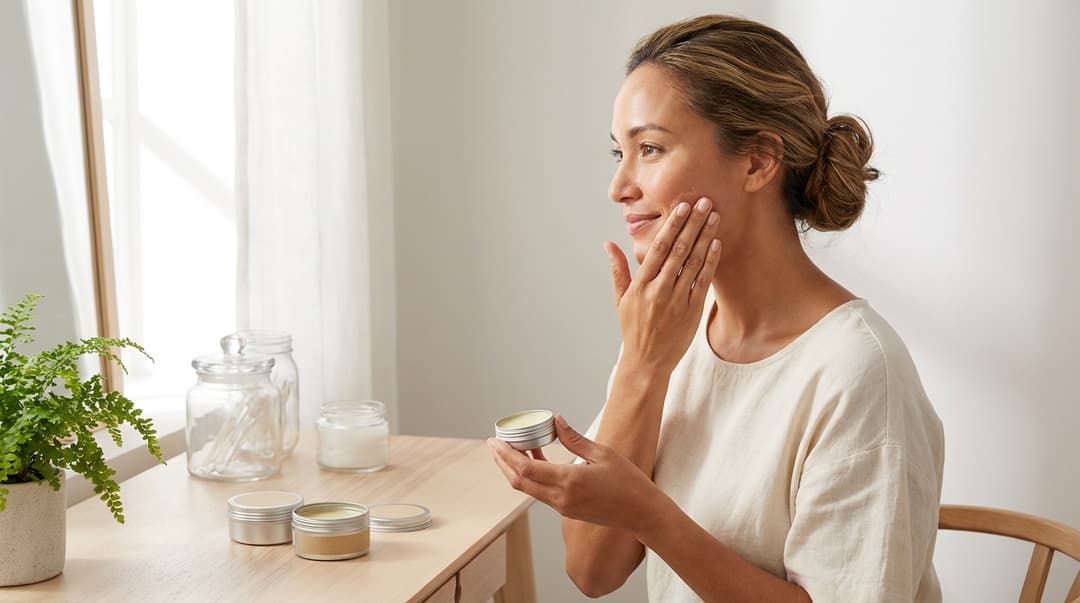
If you love the idea of the slugging skincare trend but you’re also thinking about ingredients and sustainability, here are a few tweaks:
Choose fragrance-free, low-irritant formulas
Especially if your skin is sensitive or your barrier is compromised.Look for plant-based occlusives
Balms with shea butter, mango butter, or waxes plus oils like jojoba and squalane can be great alternatives to petrolatum.Check for minimal, recyclable packaging
Metal tins, glass jars, or PCR (post-consumer recycled) plastic are better long-term than heavy, non-recyclable plastics.Use less, but use it smarter
Spot-slug on flaky patches instead of blanketing your entire face in product every time.
I’ve found that when I keep my routine simple and ingredient-conscious, my skin actually behaves better. Less guessing, less irritation, less waste.
The Bottom Line
The slugging skincare trend is basically strategic sealing: you lock in hydration and support your skin barrier by finishing your nighttime routine with an occlusive layer. When you do it over gentle, hydrating products and skip the harsh actives, it can be a lifesaver for dry, tight, or irritated skin.
It’s not ideal for everyone, especially very oily or acne-prone skin, but you can always customize it – lighter products, thinner layers, or only on dry spots. Start slow, listen to your skin, and adjust how often you slug instead of forcing it every night.
If you love ingredient-focused, skin-friendly routines like this, you’ll probably like what we share at Insider Beauty. Sign up for our weekly deals to get curated clean skincare picks, barrier-loving products, and exclusive discounts sent straight to your inbox.
Want more tips and exclusive beauty deals delivered to your inbox? Pop your email in the box below and join thousands of insiders who save big every week.