
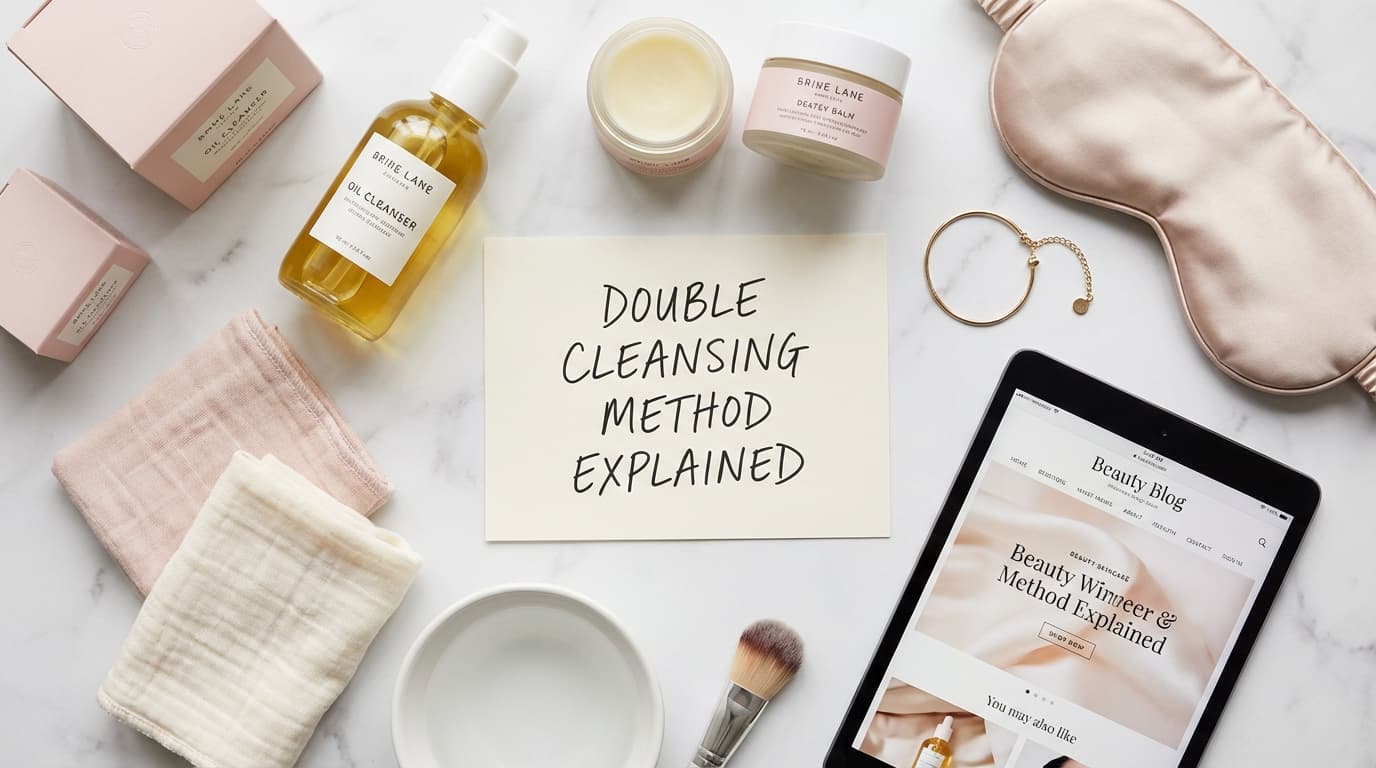
The double cleansing method is a two-step face washing routine using an oil-based cleanser first, then a water-based cleanser. It works because oil breaks down makeup, sunscreen, and sebum, while the second cleanse actually cleans your skin instead of just smearing residue around. Here's exactly how to do double cleansing for your skin type.
Quick Takeaways
- Double cleansing means oil-based cleanser first, water-based cleanser second.
- It removes sunscreen, makeup, and pollution more effectively than one cleanse.
- Use gentle, pH-balanced cleansers to avoid stripping your skin barrier.
- Oily and acne-prone skin can benefit a lot, as long as products are non-comedogenic.
- Most people only need to double cleanse at night, not morning and night.
What Is the Double Cleansing Method, Explained Clearly
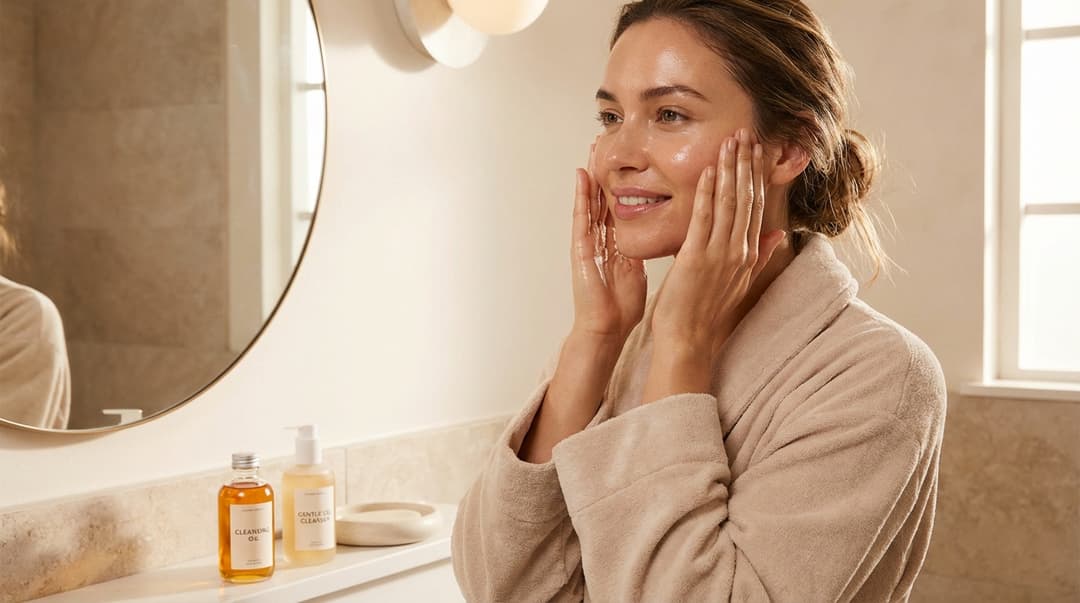
Double cleansing is a cleansing method where you wash your face twice in a row with two different types of cleansers:
- First cleanse: an oil-based cleanser (cleansing oil or cleansing balm)
- Second cleanse: a water-based cleanser (gel, cream, or foam)
So the logic is simple: like dissolves like. Oil-based cleansers latch onto and melt oil-based impurities—think sunscreen, long-wear foundation, waterproof mascara, excess sebum. Then your water-based cleanser can actually reach your skin and remove sweat, dirt, and leftover residue without needing harsh surfactants.
Honestly, once I started double cleansing on heavy makeup or SPF days, I stopped seeing that telltale foundation ring on my towel. That’s when I was sold.
Why Double Cleansing Works (The Science in Plain English)
Look, this isn’t just a trend from skincare TikTok. The double cleansing method works because of basic chemistry and how your skin barrier functions.
- Oil-based impurities (sebum, makeup, sunscreen, pollution particles stuck in oil) don’t fully rinse off with water alone.
- Oil cleansers contain emulsifiers that let oil bind to those impurities and then rinse off with water as a milky wash.
- Water-based cleansers are better at removing water-based debris like sweat and environmental grime.
If you try to do all of that with one harsh foaming cleanser, you usually end up with:
- A tight, squeaky feeling after washing
- A compromised moisture barrier
- More irritation and sometimes more breakouts
I’ve found that when people switch to double cleansing with gentler formulas, they often can actually reduce exfoliation and still get clearer, smoother skin.
Step-by-Step: How to Double Cleanse the Right Way
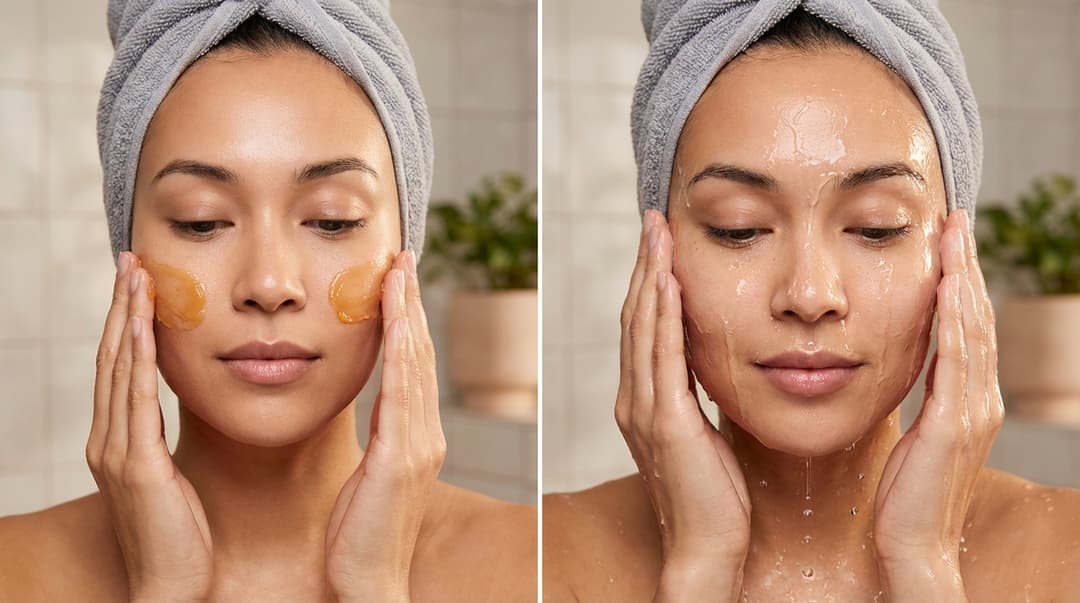
Here’s how to use the double cleansing method properly so you get the benefits without overdoing it.
Start With Dry Hands and Dry Face
Don’t splash water yet. Oil-based cleansers work best on dry skin, so they can really grab onto makeup and sunscreen.Apply an Oil-Based Cleanser (Step 1)
Use a cleansing oil or cleansing balm about the size of a nickel (or a small grape).- Massage it gently over your face for 30–60 seconds.
- Focus on areas with heavy makeup, SPF, or congestion (nose, chin, around the mouth).
- For eye makeup, close your eyes and use very light pressure.
Emulsify With Water
Add a bit of lukewarm water to your hands and keep massaging. The cleanser should turn milky—that’s the emulsifiers doing their job.
Then rinse thoroughly.Go In With a Water-Based Cleanser (Step 2)
On damp skin, use a gentle gel, cream, or low-foam cleanser.- Massage for 20–30 seconds.
- Aim for a pH-balanced formula (around 4.5–6 if it’s listed).
- Rinse with lukewarm (not hot) water.
Pat Dry and Follow With Hydration
Blot (don’t rub) with a soft towel. Then go in with your hydrating toner/essence, serum, and moisturizer while your skin is still slightly damp. Double cleansing is only worth it if you follow it with moisture.
So that’s the double cleansing method explained in its most practical form: oil first, water second, gentle pressure, short massage, then hydrate.
Who Should Use the Double Cleansing Method?
The double cleansing method isn’t a one-size-fits-all rule, but it does help a lot of people. Here’s how to know if it’s right for you.
Great candidates for double cleansing:
- You wear medium to heavy makeup regularly
- You wear water-resistant sunscreen daily
- You live in a city with pollution or commute a lot
- Your skin feels congested or you see blackheads/texture often
- You have oily or combo skin that still feels dirty after one wash
Might not need it daily (or at all):
- You don’t wear makeup and use only light sunscreen
- Your skin is very sensitive, reactive, or extremely dry
- You’re using strong actives (like prescription retinoids) and your barrier is fragile
What I often suggest:
- Most people: Double cleanse at night only, single cleanse (or just rinse) in the morning.
- Bare-faced, dry, or sensitive skin: Try double cleansing 2–4 nights a week, especially on heavy SPF or makeup days.
Listen to your skin. If it feels tight, itchy, or looks extra red, scale back.
Best Types of Products for Double Cleansing
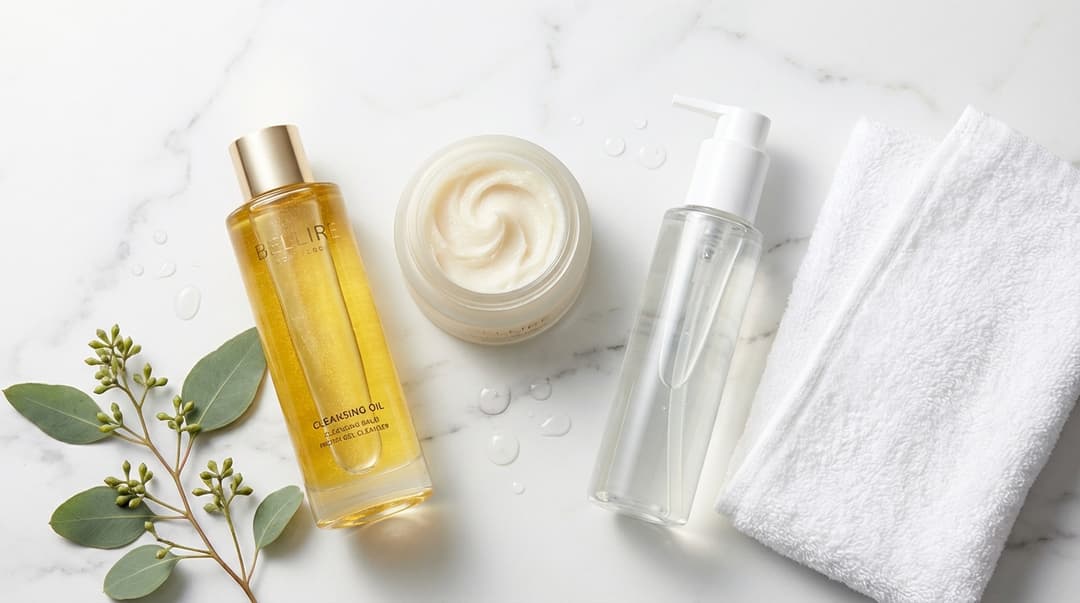
You don’t need fancy products or a 10-step routine. But the type of cleanser you use really matters.
Step 1: Oil-Based Cleanser Options
For the first cleanse, look for:
Cleansing oils
Lightweight, easy to spread, good for most skin types. Look for oils like sunflower, safflower, grapeseed, or jojoba rather than heavy mineral oils if you’re acne-prone.Cleansing balms
Solid-to-oil texture that melts on contact. Great if you like a more luxurious feel or wear heavy makeup.
Try to choose formulas that are:
- Fragrance-free or low fragrance if you’re sensitive
- Non-comedogenic if you’re acne-prone
- Clearly labeled as “rinse-off” or “emulsifying”, not just straight facial oil
Step 2: Water-Based Cleanser Options
For the second cleanse, aim for something gentle and pH-balanced:
- Gel cleansers: Great for normal to oily or combo skin
- Cream or milk cleansers: Better for dry, sensitive, or mature skin
- Low-foam or non-foaming formulas: Usually kinder to your barrier
Avoid:
- Very harsh foaming cleansers with strong sulfates (like SLS) as the main surfactant
- Scrubby physical exfoliants for daily use (they can be too rough on top of double cleansing)
I’ve found that once people soften their second cleanser, their skin tolerates treatments like vitamin C and retinoids way better.
Double Cleansing for Different Skin Types

So let’s break down how to tweak the double cleansing method depending on your skin.
Oily or Acne-Prone Skin
- Use a lightweight cleansing oil or balm designed for acne-prone skin.
- Look for non-comedogenic oils and avoid heavy butters if you’re easily clogged.
- For your second cleanse, choose a gentle gel cleanser with soothing ingredients like green tea, panthenol, or centella.
- You can double cleanse most nights, especially if you wear sunscreen daily (and you should).
Many people with acne are scared of oil cleansers, but when they’re formulated well, they can actually help break down hardened sebum and blackheads without stripping.
Dry or Dehydrated Skin
- Use a rich but gentle balm or soft cleansing oil with nourishing plant oils.
- Keep your massage time short—30 seconds is enough.
- Follow with a cream or milk cleanser that leaves a slight slip, not a squeak.
- Limit double cleansing to makeup/SPF-heavy days or 3–5 times per week.
Immediately follow with a hydrating toner or essence so your skin doesn’t lose that freshly washed moisture.
Sensitive or Rosacea-Prone Skin
- Patch test any new oil cleanser on a small area first.
- Pick fragrance-free, essential oil–free formulas whenever possible.
- Choose a very mild non-foaming or low-foam cleanser for step two.
- Double cleanse only when necessary (like after a long day in full makeup or city pollution).
If your face gets hot, flushed, or stingy after washing, that’s your cue to simplify—maybe stick to a single gentle cleanser.
Common Double Cleansing Mistakes to Avoid
To get the benefits of the double cleansing method without wrecking your barrier, avoid these common slip-ups:
Over-cleansing
Double cleansing morning and night is usually too much. Most people only need it once a day at night.Using harsh, stripping cleansers
If your second cleanser leaves you feeling tight or dry, it’s too strong. Switch to a gentler formula.Scrubbing too hard
More pressure doesn’t mean cleaner. Use light, gliding motions, especially around the eyes.Using super hot water
Hot water can disrupt your skin barrier and worsen redness. Stick to lukewarm.Skipping moisture afterward
Always follow with hydration and a moisturizer to lock in water and keep your barrier happy.
I’ve seen a lot of people blame double cleansing for dryness, when really it’s the super foamy second cleanser or hot showers that are the real culprits.
How Often Should You Double Cleanse?
Here’s a simple guideline you can actually follow today:
Daily at night if:
- You wear makeup or tinted SPF most days
- You reapply sunscreen often
- You live in a big city or polluted area
A few times a week if:
- You’re mostly bare-faced and work indoors
- Your skin is more on the dry or sensitive side
Rarely or as-needed if:
- Your barrier is compromised
- You’re on strong acne or rosacea medication
Pay attention to how your skin feels 10–15 minutes after washing. If it’s comfortable (not tight, itchy, or shiny/greasy), you’re likely cleansing the right amount.
The Bottom Line
The double cleansing method, explained simply, is oil-based cleanser first, gentle water-based cleanser second. It helps remove sunscreen, makeup, and pollution more effectively than a single harsh wash, and when it’s done with the right products, it can actually protect your moisture barrier instead of stripping it.
If you want clearer, softer skin starting tonight, try this: use a cleansing oil or balm on dry skin, rinse, then follow with a mild gel or cream cleanser and a good moisturizer. Give it 2–3 weeks and watch how your skin responds.
If you love clean, ingredient-conscious beauty and want curated steals (without doom-scrolling for hours), you can sign up for Insider Beauty’s weekly deals and get the best finds straight to your inbox.
Want more tips and exclusive beauty deals delivered to your inbox? Pop your email in the box below and join thousands of insiders who save big every week.