
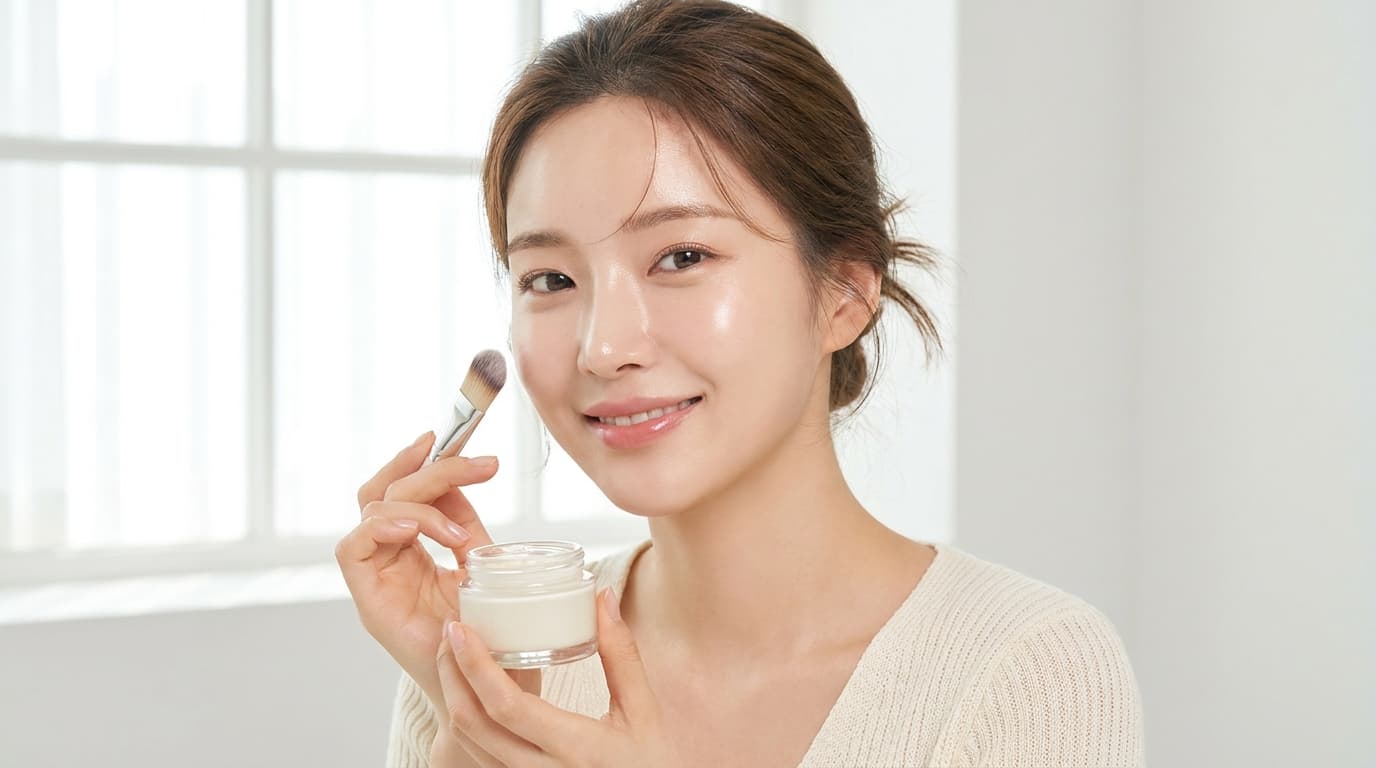
A natural makeup look tutorial starts with light layers, skin-first prep, and cream or sheer products that let your real skin show through. The goal is fresh, even, healthy-looking skin with softly defined eyes, brows, and lips—not a heavy full-glam finish. Here's exactly how to do it step by step.
Quick Takeaways
- Prep matters most: Hydrated skin helps makeup sit better and look more natural.
- Use thin layers: Sheer foundation, tinted moisturizer, and spot concealer look more like real skin.
- Cream formulas help: Cream blush and liquid highlighter melt in better than powder for a softer finish.
- Keep definition subtle: Brush up brows, tightline lightly, and choose neutral tones.
- Blend in natural light: It makes it way easier to catch harsh edges and over-application.
How do you do a natural makeup look?
The easiest way to do a natural makeup look is to enhance what you already have instead of covering everything up. I've found that when people say they want "natural makeup," they usually mean even skin, a little glow, groomed brows, and awake eyes.
Follow these steps:
- Prep skin with lightweight skincare and sunscreen.
- Apply a sheer base like tinted moisturizer or skin tint.
- Spot-conceal only where you need extra coverage.
- Add cream blush for healthy color.
- Lightly define brows and lashes.
- Finish with a tinted lip product and, if needed, a little setting spray.
So, that's the whole idea in a nutshell: less product, better placement, more blending.
What products do you need for a natural makeup look?
You do not need a huge routine for this natural makeup look tutorial. A small edit of products usually works better because it keeps the finish clean and believable.
Here are the most useful product types:
- Tinted moisturizer or skin tint: Gives light, breathable coverage and lets freckles, texture, and real skin show through.
- Cream concealer: Best for spot-correcting around the nose, under the eyes, or on blemishes.
- Cream blush: Adds that healthy flush without looking powdery.
- Brow gel: Quickly lifts and shapes brows with minimal effort.
- Mascara: Defines lashes and makes eyes look more awake.
- Tinted lip balm or satin lipstick: Adds color while still feeling easy and low-maintenance.
Honestly, if your skin leans dry or dehydrated, cream formulas are usually your friend. They tend to sit better on the skin and don't cling as much to flaky patches. If you're oily, you can still use creams—just set the areas that crease or get shiny, like the sides of the nose or forehead.
How do you prep skin for natural-looking makeup?
Skin prep is where a natural look is made or broken. If the base underneath is rough, dry, or overly greasy, even the best makeup won't sit right.
Try this simple prep routine:
- Cleanse with a gentle face wash.
- Apply a lightweight moisturizer suited to your skin type.
- Use sunscreen every morning, ideally SPF 30 or higher.
- Let skincare absorb for 2 to 5 minutes.
- If needed, use a small amount of primer only where makeup fades or pores look more visible.
Look, I don't love piling on five layers of skincare right before makeup. Too much can cause slipping, pilling, or patchiness. I've found that one hydrating layer plus sunscreen usually gives the best skin-like result.
Ingredient-wise, humectants like glycerin and hyaluronic acid can help pull in water, while barrier-supporting ingredients like ceramides help skin stay comfortable under makeup. If you're sensitive, avoid heavily fragranced prep products right before application, especially around the eyes.
How do you apply foundation so it looks like skin?
For a true no-makeup makeup effect, skip the thick full-face foundation mask. Use a small amount of sheer base and build only where needed.
Here's how:
- Start with a pea-size amount of tinted moisturizer, BB cream, or skin tint.
- Apply it at the center of the face first—around the nose, chin, and inner cheeks.
- Blend outward with fingers, a damp sponge, or a soft brush.
- Leave the outer edges of the face lighter if your skin is already pretty even there.
- Use concealer only on darkness, redness, or blemishes.
- Tap concealer in with a fingertip for the most seamless finish.
Best tip: Wait about 30 seconds before adding more product. Makeup often settles and looks more even after a moment, and that pause can stop you from overdoing it.
If you have redness, use concealer strategically instead of layering more base everywhere. If you have pigmentation, thin layers are still better than one heavy layer. This approach keeps the skin dimension intact, which is a big part of what makes makeup read as natural.
How do you add blush, bronzer, and glow naturally?
Natural color should look like it's coming from under the skin, not sitting on top of it. That's why placement matters just as much as shade.
Use this order:
- Apply cream blush high on the cheeks and blend slightly upward.
- Add a touch across the bridge of the nose if you like a fresh, outdoorsy look.
- Use bronzer sparingly on the temples, hairline, and outer cheeks.
- Tap a small amount of liquid or balm highlighter on the high points of the face.
- Step back and check both sides in natural light.
For blush shades, soft peach, rosy nude, and muted berry tend to look believable on a lot of skin tones. For bronzer, go only one to two shades deeper than your skin tone. Anything too orange or too cool can read harsh fast.
So, if you're nervous about blush, start with less than you think you need. I've found that one dot per cheek is often enough with pigmented cream formulas.
How do you keep eye makeup soft and subtle?
Eye makeup in a natural makeup look tutorial should define, not dominate. You want your eyes to look brighter and more awake without obvious stripes of shadow or thick liner.
Try these easy techniques:
- Brush up brows first: A clear or tinted brow gel instantly frames the face.
- Use neutral shadow if needed: Taupe, soft brown, or a skin-toned matte shade can add depth.
- Tightline instead of winging: Press a brown or soft black liner into the upper lash line.
- Curl lashes: This alone can make a huge difference.
- Apply one light coat of mascara: Focus at the roots for definition without clumping.
Honestly, this is where people often go a little too hard. Heavy lower liner, chunky mascara, or overly carved brows can throw off the whole effect. Keep the edges soft. If something looks obvious up close, blend it once more.
How do you make natural makeup last all day?
Long wear doesn't have to mean a matte, flat finish. The trick is setting only where you need it and choosing textures that move well with the skin.
Use these lasting tips:
- Set strategically: Dust a little translucent powder on the T-zone, under the eyes, or around the nose.
- Use thin layers: Thick makeup breaks apart faster.
- Press, don't rub: Especially when blending concealer or blush.
- Finish with setting spray: A light mist can help melt layers together.
- Blot instead of adding more powder: This keeps the skin from looking cakey later.
If you get oily midday, carry blotting papers or even a clean tissue. Press first, then touch up only if needed. That tiny habit makes a big difference.
What common mistakes make natural makeup look heavy?
A lot of natural makeup problems come down to using too much product or choosing the wrong finish.
Watch out for these:
- Too much base: Heavy foundation hides skin and can settle into texture.
- Wrong undertone: A mismatched shade looks obvious even if the coverage is light.
- Over-powdering: This can dull glow and emphasize dryness.
- Skipping skin prep: Makeup clings more when skin isn't balanced.
- Harsh brow products: Strong blocky brows can overpower a soft look.
- Not blending around the jaw and nose: These are common spots where lines show.
Look, natural makeup isn't about perfection. Real skin has pores, tiny shadows, and movement. Letting some of that show is actually what makes the final result prettier.
The Bottom Line
The best natural makeup look tutorial is simple: prep skin well, use sheer products, and build slowly. Focus on skin, blush, brows, lashes, and lips in soft layers, and you'll get that fresh, polished look without covering up your face.
If you want more easy beauty tips, ingredient-conscious picks, and soft deals on everyday essentials, sign up for Insider Beauty's weekly deals. It's a nice little way to stay in the loop without getting spammed.
Want more tips and exclusive beauty deals delivered to your inbox? Pop your email in the box below and join thousands of insiders who save big every week.