

The safest way to remove gel nails is to file off the shiny topcoat, soak the polish with acetone, and gently lift it away without peeling or scraping hard. This works because gel polish needs to be broken down slowly; forcing it off can strip layers of your natural nail and leave them thin, rough, and sore. Here's exactly how to remove gel nails safely at home. Before starting, check whether you have gel-effect polish or lamp-cured gel, since their drying and removal instructions differ.
Quick Takeaways
- File the topcoat first: This helps acetone penetrate the gel faster.
- Use 100% acetone and foil wraps: They remove gel more effectively than regular nail polish remover.
- Never peel gel off: Peeling can take off layers of your natural nail plate.
- Push gently, not aggressively: If the gel resists, soak longer instead of scraping.
- Rehydrate after removal: Cuticle oil and a rich hand cream help nails recover.
What do you need to remove gel nails safely?
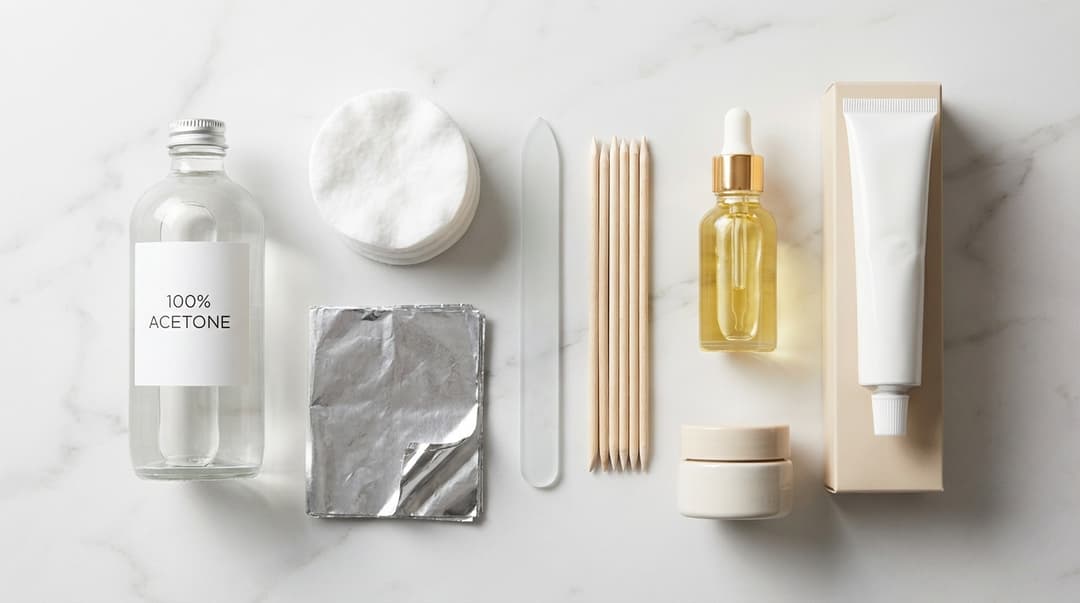
If you're figuring out how to remove gel nails safely, having the right tools makes a huge difference. You don't need a salon-level setup, but you do need a few basics.
You'll want:
- 100% acetone: This is the most effective option for breaking down gel polish.
- Cotton balls or cotton pads: These hold the acetone against the nail.
- Aluminum foil: Small foil wraps keep heat in and help the acetone work faster.
- A nail file: A medium-grit file helps remove the glossy top layer.
- A wooden cuticle stick or gentle cuticle pusher: For lifting softened gel.
- Cuticle oil: This helps replenish moisture after soaking.
- Rich hand cream or barrier balm: Great for protecting skin around the nails.
Honestly, I've found that putting a little balm or thick cream around the fingertips before soaking helps cut down on that dry, chalky acetone feeling.
How to remove gel nails safely at home step by step
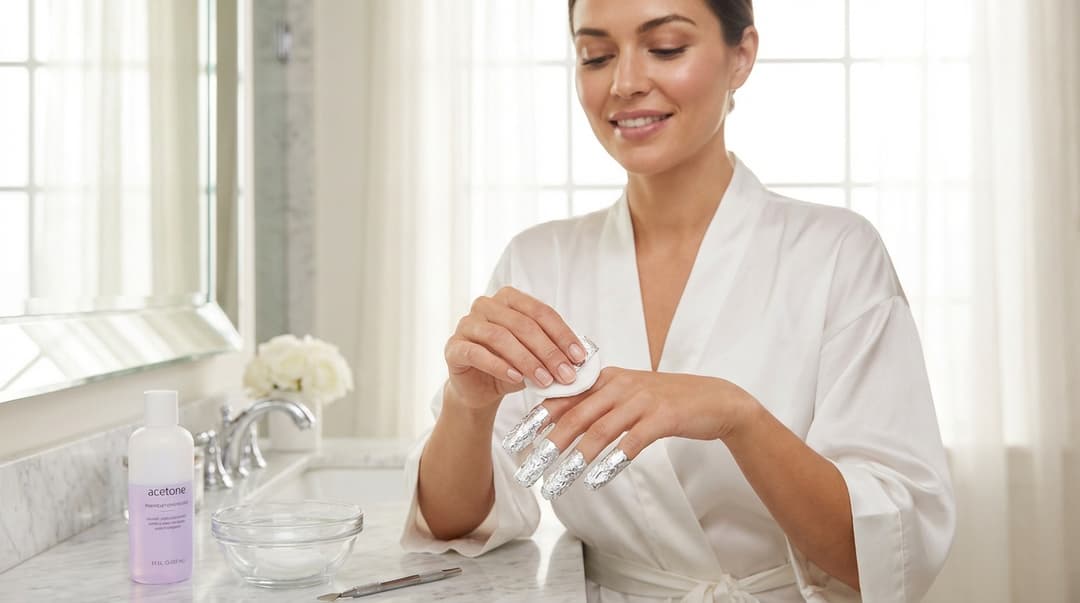
This is the method most nail techs recommend for standard soak-off gel polish.
- Trim and file the surface. Shorten the nails if needed, then lightly file off the shiny topcoat. You don't need to file down to the natural nail—just remove the seal so acetone can get in.
- Protect the skin. Apply cuticle oil, petroleum-free balm, or a thick hand cream around the nail folds if your skin gets irritated easily.
- Soak cotton in acetone. Saturate small pieces of cotton with 100% acetone.
- Wrap each nail. Place the acetone-soaked cotton on the nail and wrap tightly with a small piece of aluminum foil.
- Wait 10 to 15 minutes. Let the acetone soften the gel fully. If your gel is thicker or layered with nail art, it may take closer to 20 minutes.
- Check one nail first. Unwrap one finger and gently nudge the gel with a wooden stick or cuticle pusher.
- Lift softened gel gently. If it slides or flakes off easily, continue. If it feels stuck, rewrap and soak for another 5 minutes.
- Buff lightly if needed. Once the gel is off, use a very soft buffer only to smooth leftover residue.
- Wash and moisturize. Rinse hands, then apply cuticle oil and hand cream right away.
So, the biggest rule here is simple: if the gel doesn't want to come off, it isn't ready. More soaking is almost always better than more force.
Why peeling gel polish damages your nails
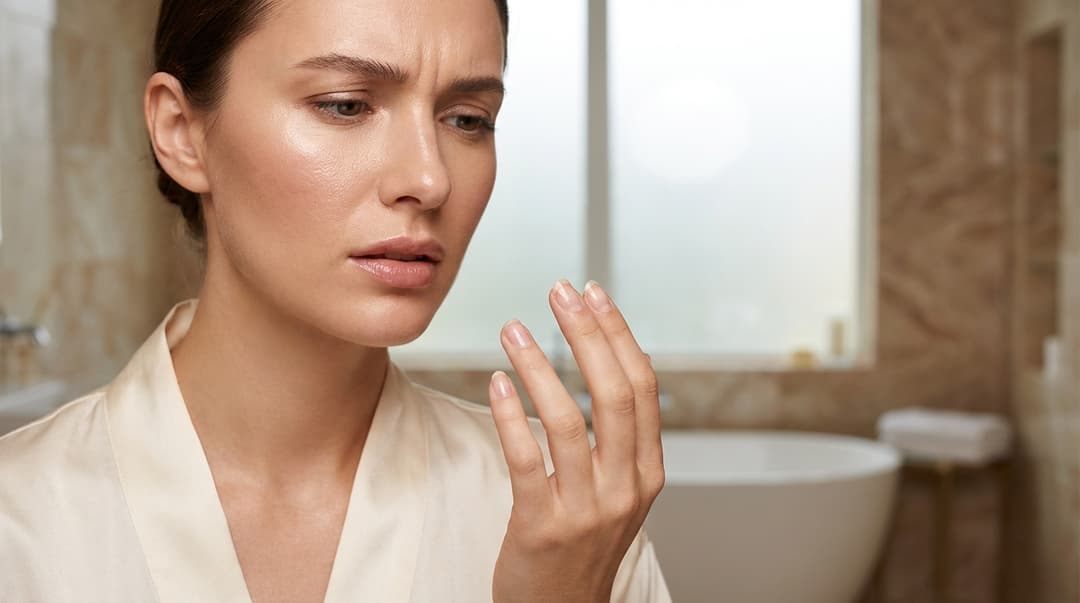
A lot of damage people blame on gel manicures actually comes from bad removal. When you peel or pick at gel, you're not just removing polish—you can pull up layers of keratin from the natural nail plate.
That can lead to:
- Thinning
- White patches
- Rough texture
- Splitting or peeling nails
- Increased sensitivity
Look, gel polish bonds pretty tightly by design. That's why it lasts. But that strong bond is also why impatient removal can be rough on nails. I've seen nails stay bendy and flaky for weeks after someone picked the gel off during a meeting or while watching TV. Super common, and yeah, not worth it.
Can you remove gel nails without acetone?
Technically, there are gentler-looking alternatives, but acetone is still the most effective and safest option when used correctly for soak-off gel. Non-acetone removers usually don't break down gel well enough, which often leads to extra scraping, buffing, or peeling—and that can cause more damage than acetone itself.
Here are the most common options:
- Non-acetone nail polish remover: Usually too weak for true gel polish.
- Warm oil or soapy water soaking: This may loosen already lifting gel, but it won't reliably remove a fresh gel manicure.
- E-file removal: Fast, but best left to trained pros unless you really know what you're doing.
So if you're searching for how to remove gel nails safely without wrecking your nail plate, acetone with proper prep is still your best bet. The trick is minimizing skin dryness before and after.
How long should gel nails soak off?
Most standard gel polish takes 10 to 15 minutes to soften after you've filed the topcoat. Thicker applications, glitter gels, builder-style overlays, or multiple layers of color can take 15 to 20 minutes.
A few signs the gel is ready to come off:
- The surface looks wrinkled or lifted
- The edges start to separate slightly
- The gel pushes off with light pressure
A few signs you should soak longer:
- The gel still looks smooth and hard
- You need to scrape to get movement
- The nail underneath feels tender
Honestly, patience matters more than people think here. Rushing is usually what causes that over-filed, paper-thin feeling afterward.
What should you do after gel removal?
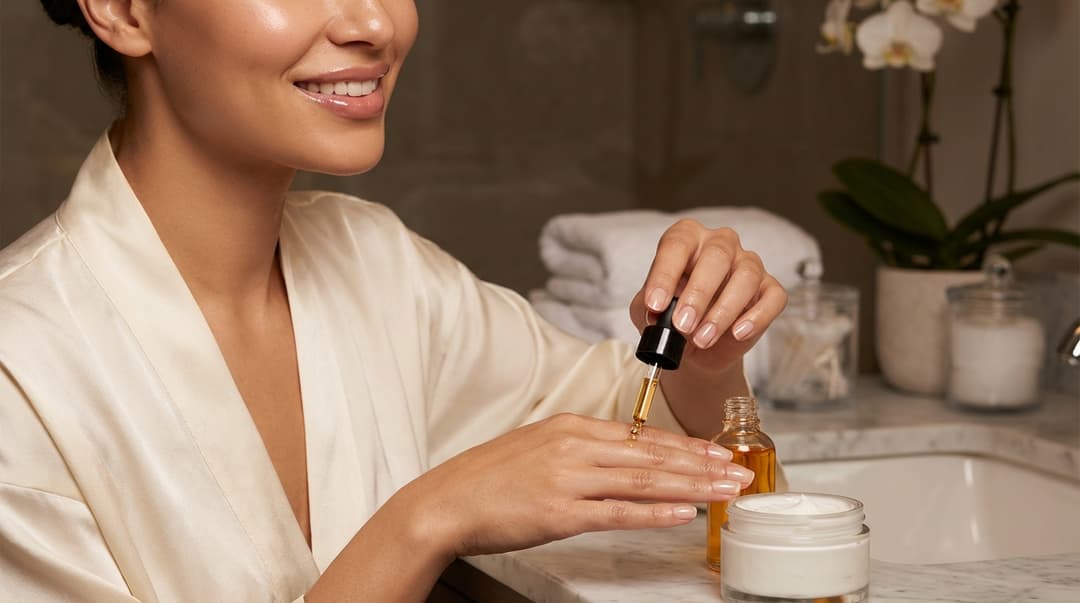
After you remove gel, the nail plate and surrounding skin are usually dehydrated. Acetone works well, but it definitely pulls moisture from the nail and cuticle area.
Here's how to help nails bounce back:
- Apply cuticle oil immediately. Jojoba-based or plant oil blends tend to sink in nicely.
- Use a rich hand cream. Look for humectants and emollients like glycerin, shea butter, or squalane.
- Skip reapplying gel the same day if nails feel stressed. Give them a short break if they're tender or peeling.
- Wear gloves for cleaning and dishes. Water exposure can make weakened nails swell and split more easily.
- Use a strengthening base coat if needed. This can help protect nails while they recover.
I've found that oiling nails twice a day for even three or four days makes a visible difference. They look less chalky and feel more flexible, not brittle.
When should you see a nail pro instead?
Sometimes DIY removal isn't the best call. If any of these apply, it may be smarter to book a professional removal:
- You have builder gel, hard gel, or acrylic-gel hybrids: These don't always soak off like standard gel polish.
- Your nails are already damaged: Thin, splitting, or painful nails need a gentler approach.
- The gel was applied very thickly: More layers can be harder to remove evenly at home.
- You feel tempted to scrape aggressively: Better to let a pro handle it than accidentally gouge the nail plate.
- You notice redness, burning, or signs of infection: Don't keep soaking irritated skin.
So, not every manicure is a simple soak-off situation. If you aren't sure what product is actually on your nails, that alone is a good reason to pause.
Common mistakes that make gel removal harsher
If you want to master how to remove gel nails safely, avoiding these mistakes matters just as much as following the right steps.
- Skipping the filing step: Acetone can't penetrate the sealed topcoat well.
- Using regular remover instead of 100% acetone: This slows everything down.
- Peeling lifted corners: Even a little picking can tear the nail surface.
- Scraping too hard with metal tools: This can leave dents and thinning.
- Over-buffing after removal: A soft nail plate doesn't need more friction.
- Forgetting aftercare: Dry nails are more likely to split.
Look, the goal isn't just getting the gel off. It's getting it off while keeping your natural nails smooth, strong, and intact.
The Bottom Line
The best answer for how to remove gel nails safely is pretty straightforward: file the topcoat, soak with 100% acetone, remove softened gel gently, and load up on cuticle oil afterward. Don't peel, don't force, and don't keep scraping when the product isn't ready. A little patience saves your nails, seriously.
If you want more practical beauty tips, ingredient-conscious picks, and fresh finds that won't wreck your budget, sign up for Insider Beauty's weekly deals.
Want more tips and exclusive beauty deals delivered to your inbox? Pop your email in the box below and join thousands of insiders who save big every week.