
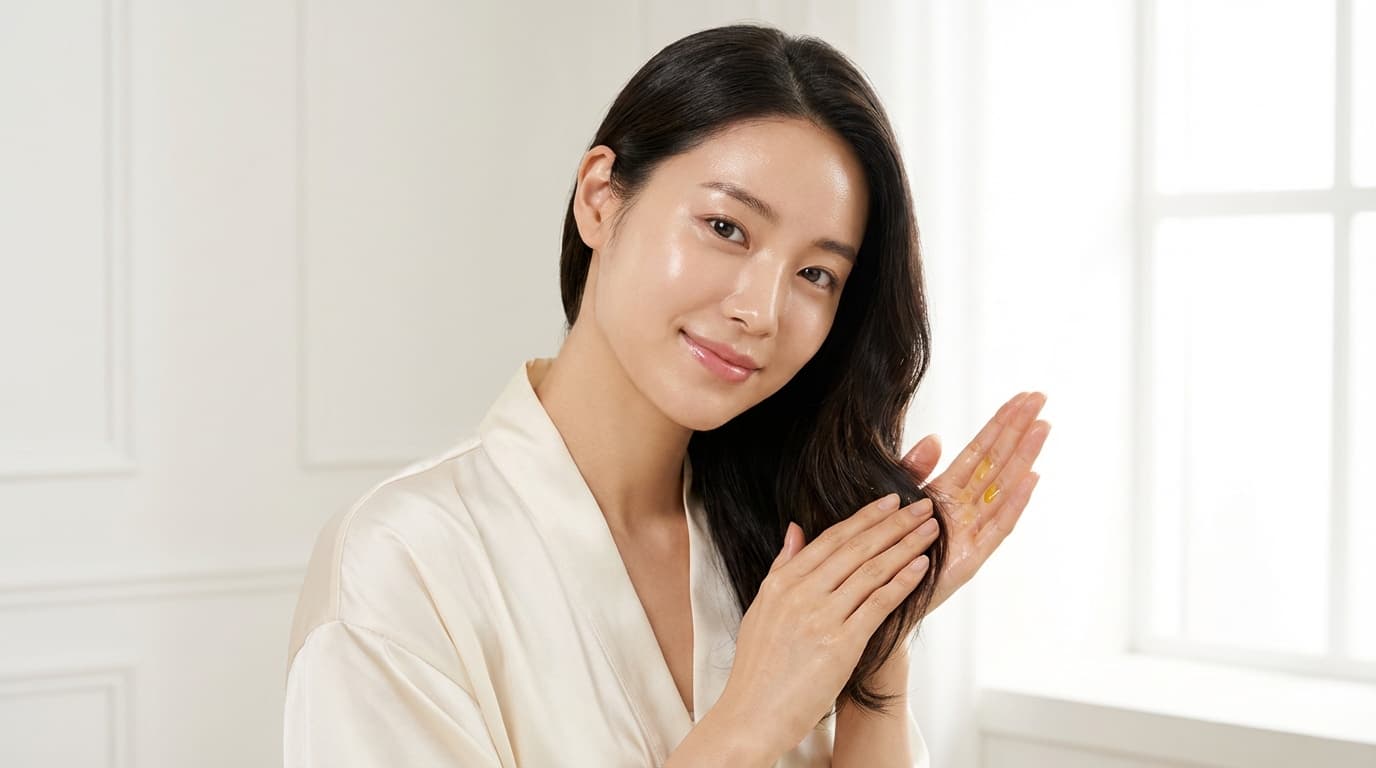
Hair oiling benefits include less dryness, better slip, more shine, and reduced breakage when it’s done the right way. The best way to do it is to apply a small amount of oil to your scalp or mid-lengths, let it sit for 30 minutes to a few hours, then wash thoroughly. Here’s exactly how to make hair oiling work for your hair type without ending up greasy.
Quick Takeaways
- Hair oiling benefits can include softer hair, less frizz, better scalp comfort, and protection against breakage.
- The right oil depends on your hair type: lightweight oils work well for fine hair, while richer oils suit thick, dry, or curly textures.
- You don’t need to soak your hair; a few drops to 1 tablespoon is usually enough.
- Pre-wash oiling is the easiest method for most people because it helps cushion hair before shampooing.
- Oiling too often or using too much can lead to buildup, limp roots, and extra washing.
What are the benefits of hair oiling?
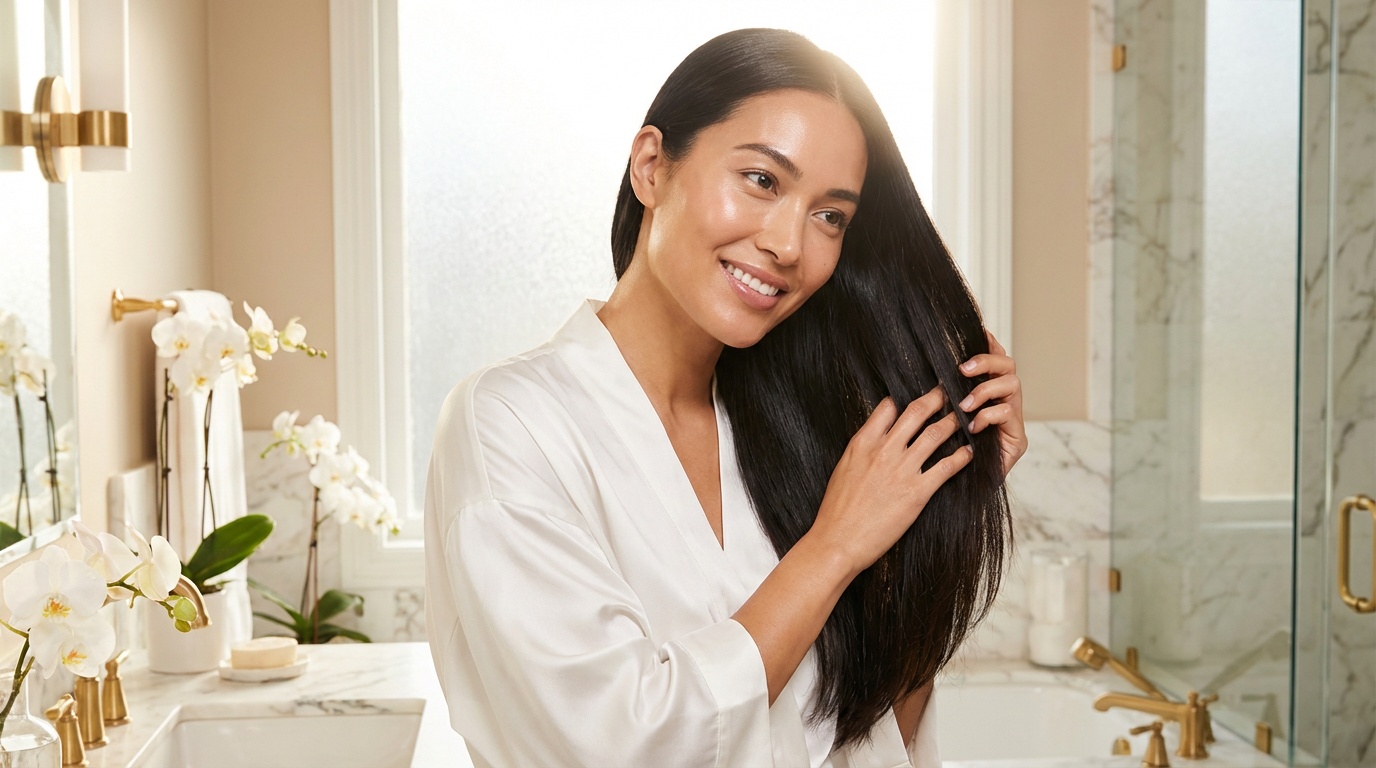
Hair oiling helps by coating the hair shaft, smoothing the cuticle, and reducing moisture loss. That’s why so many people notice softer hair almost right away.
Here are the main hair oiling benefits and how to do it in a way that actually makes sense:
- Adds softness and shine: Oils smooth rough cuticles so hair reflects more light and feels silkier.
- Helps reduce breakage: A light oil layer can cut down friction from washing, detangling, and styling.
- Tames frizz: This is especially helpful in humid weather or if your ends always feel puffy.
- Supports scalp comfort: Certain oils can help dry, tight-feeling scalps feel more comfortable, though they’re not a cure for scalp conditions.
- Improves manageability: I’ve found that hair with a bit of pre-wash oil is usually easier to detangle and less snarly after shampoo.
- Protects dry ends: Ends are the oldest, most weathered part of your hair, so a little oil there can make a big difference.
Look, oiling doesn’t magically make hair grow faster overnight. What it can do is help preserve length by minimizing breakage and keeping hair in better shape over time. That distinction matters.
Which hair oils work best for different hair types?
The best oil is really about weight, texture, and what your hair actually needs. Honestly, this is where people go wrong. They hear about one popular oil and slather it on, even if their hair hates it.
- Lightweight oils: Great for fine, thin, or easily weighed-down hair. These absorb faster and leave less residue.
- Medium-weight oils: A nice middle ground for normal hair, wavy hair, or mildly dry strands.
- Rich, heavier oils: Better for thick, coarse, curly, coily, or very dry hair that needs more sealing and softness.
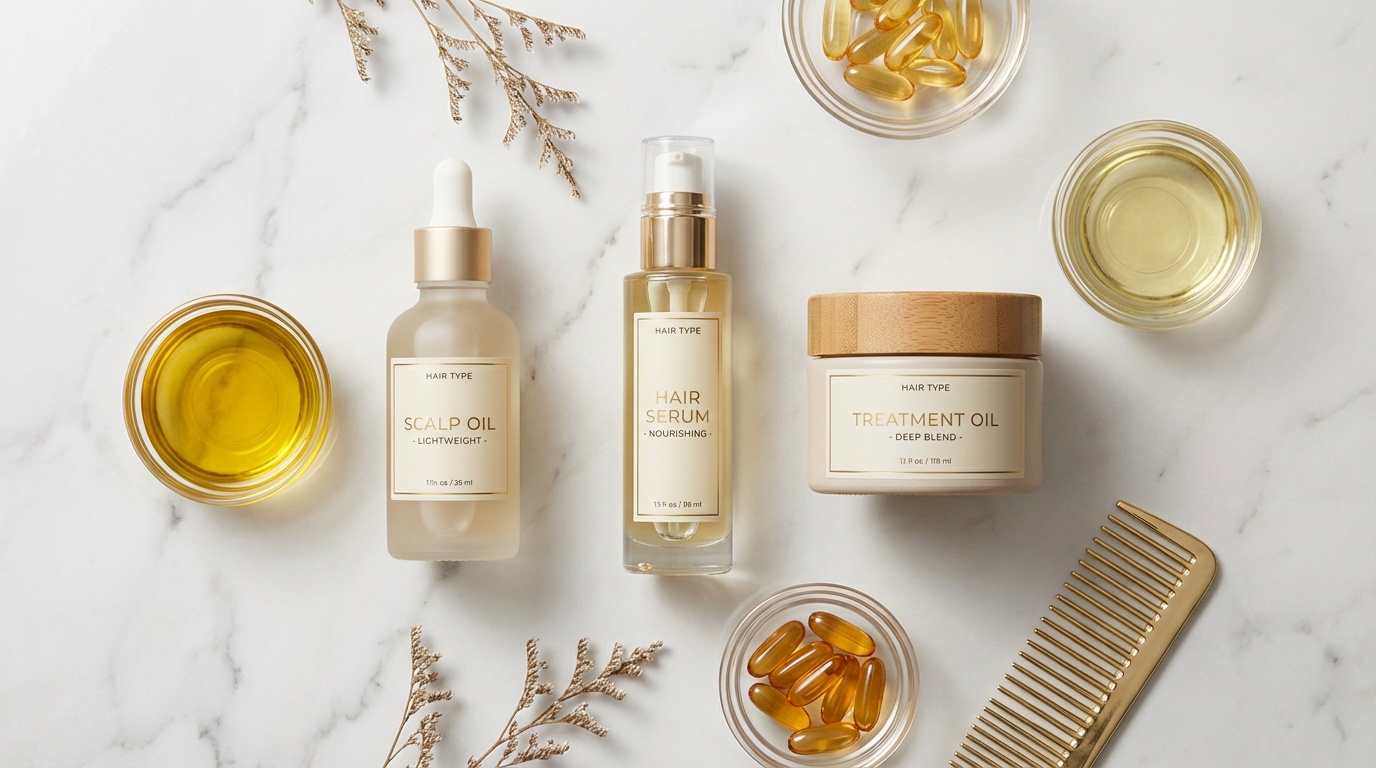
A few product types that work well:
- Lightweight scalp oil: Best if you want a quick pre-wash treatment without greasy roots.
- Nourishing hair serum oil: Good for smoothing mid-lengths and ends after styling.
- Deep treatment oil blend: Helpful for thick or extra-dry hair before wash day.
If you’re ingredient-conscious like me, look for formulas with simple plant oils, minimal synthetic fragrance, and added antioxidants like vitamin E. I usually skip heavily perfumed oils on a sensitive scalp because fragrance can be irritating for some people.
How do you do hair oiling step by step?
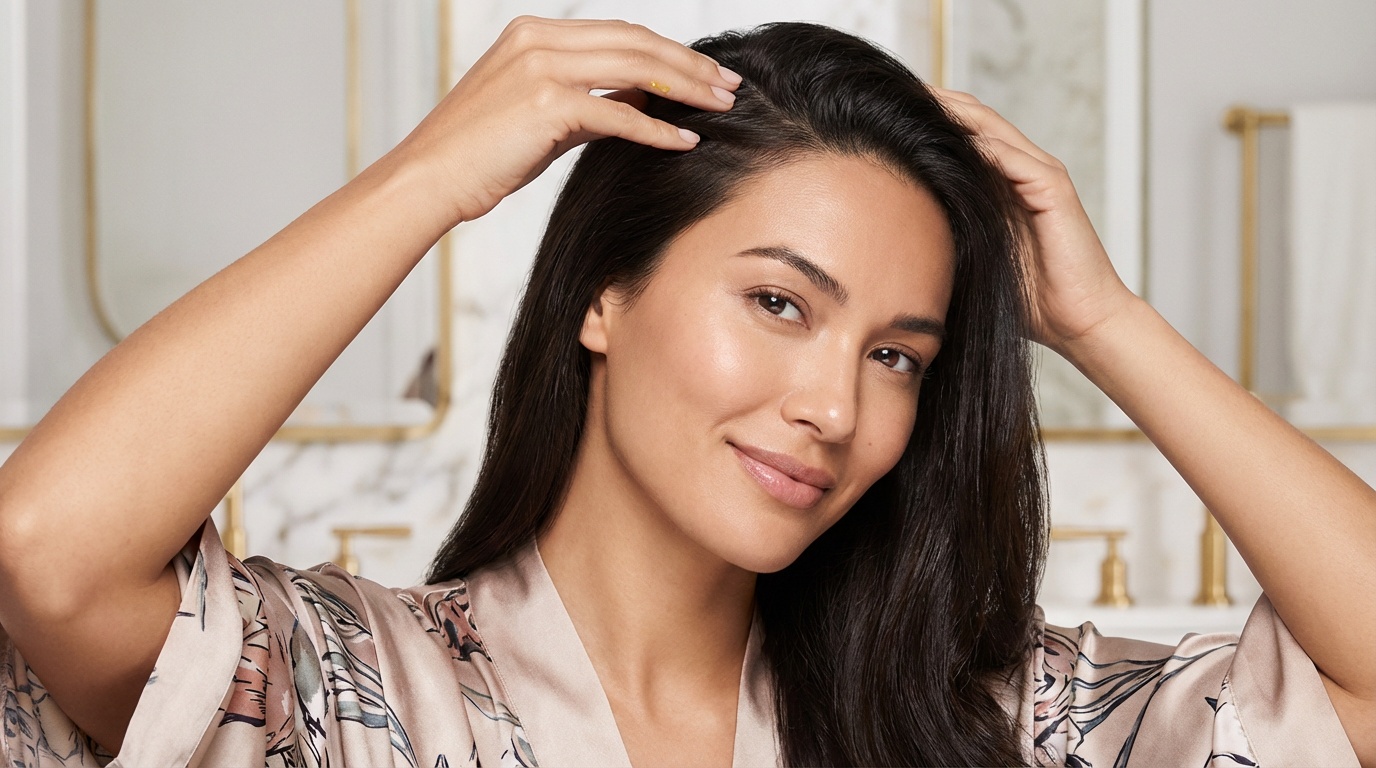
The easiest method is pre-wash oiling. It gives you the benefits without leaving hair heavy for days.
- Start with dry or slightly damp hair.
- Section your hair into 2 to 4 parts so application is even.
- Warm a small amount of oil between your palms.
- Apply to the scalp if your scalp is dry, or focus only on mid-lengths and ends if your roots get oily fast.
- Massage gently for 3 to 5 minutes using fingertips, not nails.
- Comb through with a wide-tooth comb to distribute the oil.
- Leave it on for 30 minutes to 2 hours.
- Shampoo thoroughly, and cleanse twice if needed.
- Follow with conditioner on the lengths.
So, how much oil should you use? Less than you think.
- Fine or short hair: 3 to 6 drops
- Medium density hair: 1 to 2 teaspoons
- Thick, long, or curly hair: 2 teaspoons to 1 tablespoon
If your hair feels coated after washing, you used too much. Been there, and yeah, it’s not cute.
Should you oil your scalp or just the hair lengths?
This depends on your scalp type.
If your scalp feels dry, tight, or flaky from dryness, a small amount of scalp oiling may help with comfort. If your scalp gets greasy quickly, has buildup, or you’re prone to dandruff, it’s usually smarter to oil just the lengths and ends.
Here’s a simple rule:
- Dry scalp: Use a little oil on the scalp before washing.
- Oily scalp: Skip the roots and apply oil only from ears down.
- Curly or coily hair: You may like both scalp and length oiling, depending on porosity and dryness.
- Fine hair: Focus mostly on ends.
Honestly, scalp oiling gets oversold online. It can feel amazing, but more isn’t always better. If you notice itchiness, residue, or flat roots, scale back.
How often should you oil your hair?
For most people, 1 to 2 times per week is plenty. Very dry, textured, or damaged hair may do well with 2 to 3 times weekly, while fine or oily hair may prefer every 1 to 2 weeks.
A good schedule looks like this:
- Fine or oily hair: Every 7 to 14 days
- Wavy or normal hair: Once a week
- Curly, coily, thick, or dry hair: 1 to 2 times a week
- Bleached or heat-damaged hair: Once a week as a gentle pre-wash treatment
The key with hair oiling benefits and how to do it is consistency, not saturation. A little done regularly tends to work better than an occasional overnight oil bath.
What mistakes can ruin hair oiling results?
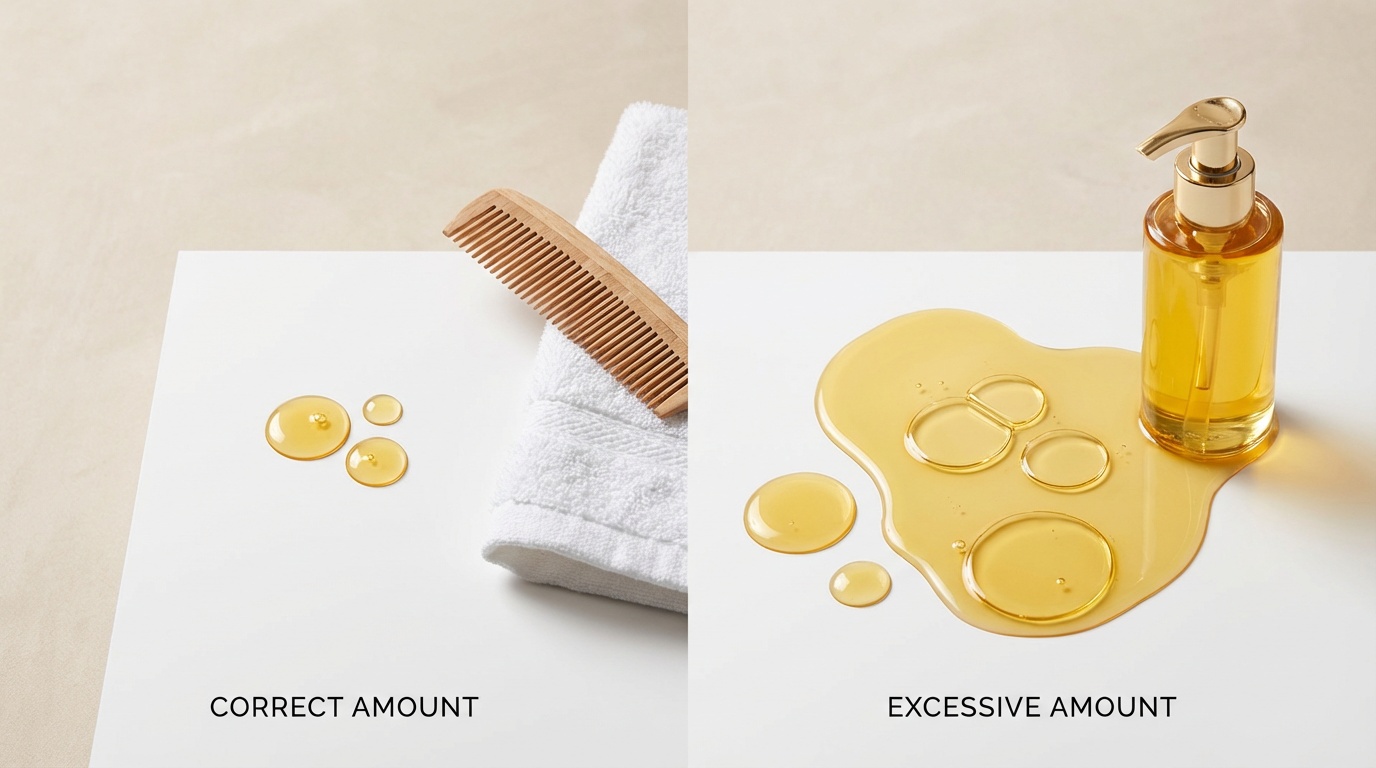
A few common habits can make oiling feel disappointing fast.
- Using too much oil: This causes buildup and can make shampooing harsh because you need extra cleansing.
- Leaving oil on too long: Overnight oiling isn’t necessary for most hair types and can irritate some scalps.
- Choosing the wrong oil weight: Heavy oils can flatten fine hair; super-light oils may not be enough for coarse hair.
- Scratching the scalp while massaging: This can create irritation and sensitivity.
- Applying oil to dirty, buildup-heavy scalp skin: It can trap residue instead of helping.
- Expecting oil to replace conditioner: Oil seals and smooths, but it doesn’t do everything a water-based conditioner does.
I’ve found that keeping oiling simple works best. Clean formula, small amount, short processing time. That’s usually the sweet spot.
Can hair oiling help with hair growth?
Hair oiling can support healthier-looking growth by protecting the hair you already have. It may reduce breakage, improve flexibility, and make strands less likely to snap during washing or styling.
What it likely won’t do is directly speed up your natural growth rate in a dramatic way. Hair typically grows around half an inch per month, give or take, based on genetics, hormones, nutrition, and overall health. Oiling helps by creating a better environment for retention, especially if your hair is dry or fragile.
So if your goal is longer hair, think of oiling as part of a bigger routine:
- Gentle cleansing
- Regular conditioning
- Heat protection
- Lower-tension styling
- Scalp care that matches your skin type
That’s where hair oiling benefits and how to do it really clicks. It’s not a miracle step. It’s a supportive one.
The Bottom Line
Hair oiling benefits are real when you match the oil and method to your hair type. Used as a pre-wash treatment once or twice a week, hair oiling can help soften strands, cut down frizz, protect dry ends, and reduce breakage without making your hair heavy.
Start small, focus on consistency, and pay attention to how your scalp and lengths respond. Look, the best routine is the one your hair actually likes.
If you want more ingredient-smart beauty tips and soft little savings, sign up for Insider Beauty’s weekly deals and get the good stuff sent straight to your inbox.
Want more tips and exclusive beauty deals delivered to your inbox? Pop your email in the box below and join thousands of insiders who save big every week.