
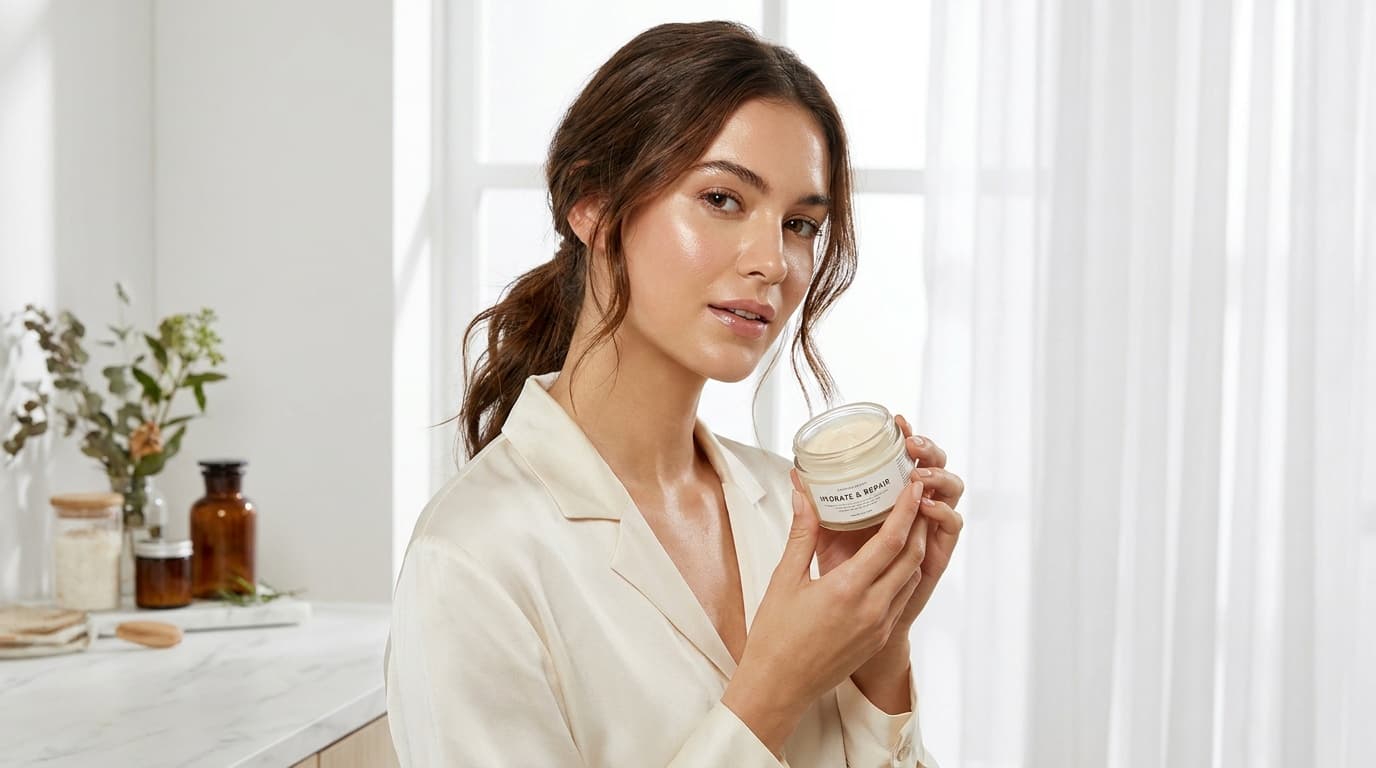
The best hair masks for dry hair are rich, moisture-replenishing treatments made with ingredients like shea butter, ceramides, plant oils, and hydrolyzed proteins. They work because they coat rough, dehydrated strands, reduce moisture loss, and temporarily smooth damage so hair feels softer, shinier, and less brittle.
Quick Takeaways
- The best hair masks for dry hair combine emollients, humectants, and strengthening ingredients for both softness and breakage support.
- Thick, coarse hair usually does best with heavier cream masks, while fine dry hair often prefers lightweight gel-cream or milk-style masks.
- Use a hair mask 1 to 2 times a week on damp hair, focusing from mid-lengths to ends.
- Ingredients like shea butter, argan oil, glycerin, ceramides, and hydrolyzed keratin are especially helpful for dry, stressed hair.
- A mask works better when you leave it on long enough and avoid piling it onto your roots unless your scalp is very dry.
What are the best hair masks for dry hair?
The best hair masks for dry hair are the ones that match your hair texture, damage level, and porosity. So if your hair is parched from heat styling, bleaching, hard water, or just naturally coarse texture, a good mask can make a real difference pretty quickly.
I’ve found that people often buy the richest formula they can find and then wonder why their hair feels limp or coated. Dry hair doesn’t always need the heaviest product on the shelf. It needs the right balance of moisture, slip, and structure.
The most useful product types to look for are:
- Cream-based deep conditioning masks: Best for thick, coarse, curly, or very dry hair that needs lasting softness.
- Protein-moisture repair masks: Helpful for hair that’s dry and weak, stretchy, overprocessed, or prone to snapping.
- Overnight hair masks or leave-in sleeping masks: Great for very dehydrated ends or hair that needs a longer treatment time.
Which ingredients help dry hair the most?
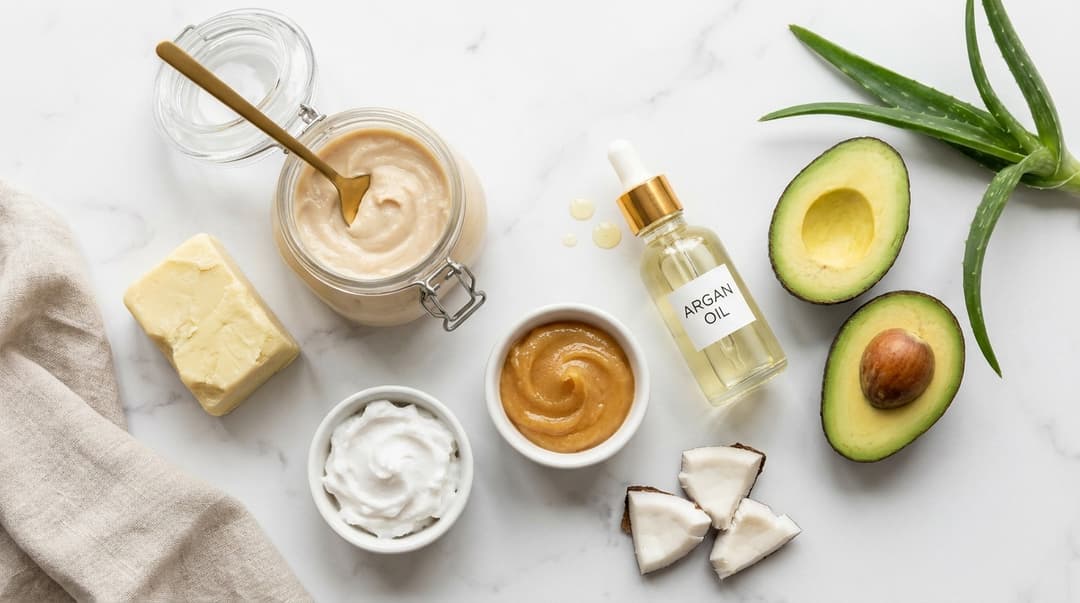
If you’re scanning the label, these are the ingredients worth paying attention to. Honestly, this matters more than fancy packaging.
- Shea butter and mango butter: Rich emollients that soften rough, coarse strands and help seal in moisture.
- Argan oil, coconut oil, and avocado oil: Oils can reduce friction, add shine, and make dry ends feel less crunchy.
- Glycerin and aloe vera: These humectants pull in water, which can help dehydrated hair feel more supple.
- Ceramides: These help support the hair cuticle, which is especially useful if your hair feels porous or rough.
- Hydrolyzed keratin or silk protein: Good for damaged dry hair that also needs some reinforcement.
- Fatty alcohols like cetyl or cetearyl alcohol: Despite the name, these are moisturizing and help give masks that creamy, conditioning feel.
A quick heads-up: if your hair feels stiff after a treatment, you may be overdoing protein. If it feels soft at first but frizzy again an hour later, you may need more sealing ingredients like butters or oils.
How do you choose the right hair mask for your hair type?
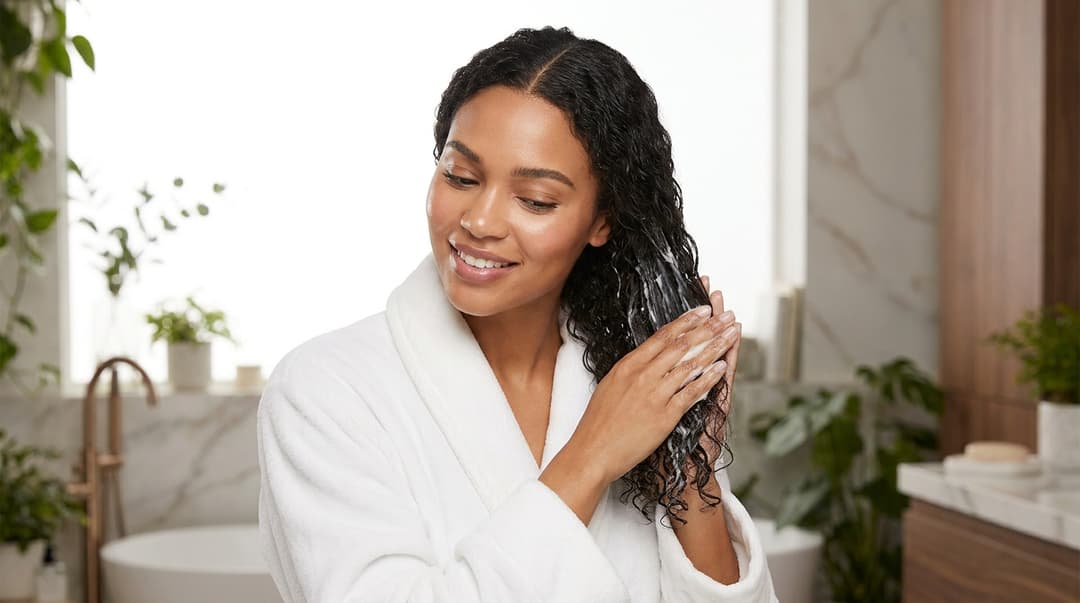
This is where the best hair masks for dry hair really separate themselves. One formula won’t work the same way for everyone.
- For fine, dry hair: Choose a lightweight mask with glycerin, aloe, panthenol, and a little oil. You want moisture without flattening your roots.
- For thick or coarse hair: Go for richer masks with shea butter, ceramides, and plant oils. These textures usually need more slip and more staying power.
- For curly or coily hair: Look for deep conditioning masks with butters, oils, and conditioning agents that help with detangling and frizz control.
- For color-treated or bleached hair: Pick a repair-focused mask with both moisture and protein. Bleached hair often needs both, not just one.
- For heat-damaged hair: A strengthening mask with hydrolyzed protein and nourishing lipids can help reduce that straw-like feel.
Look, if your hair gets greasy fast but your ends are dry, apply the mask only from the ears down. You don’t need to coat your whole head to get the benefits.
How often should you use a hair mask for dry hair?
Most people with dry hair do well using a mask 1 to 2 times per week. If your hair is severely dry, chemically processed, or very textured, you may like using one every wash day.
Here’s a simple rule of thumb:
- Mild dryness: Once a week
- Moderate dryness or frizz: Twice a week
- Very damaged or bleached hair: Every wash, alternating between moisture and protein formulas if needed
I’ve found that consistency matters more than doing one super long treatment once a month. A solid 10 to 20 minutes every week usually gives better results than a random two-hour masking session when your hair is already desperate.
How do you use a hair mask for the best results?
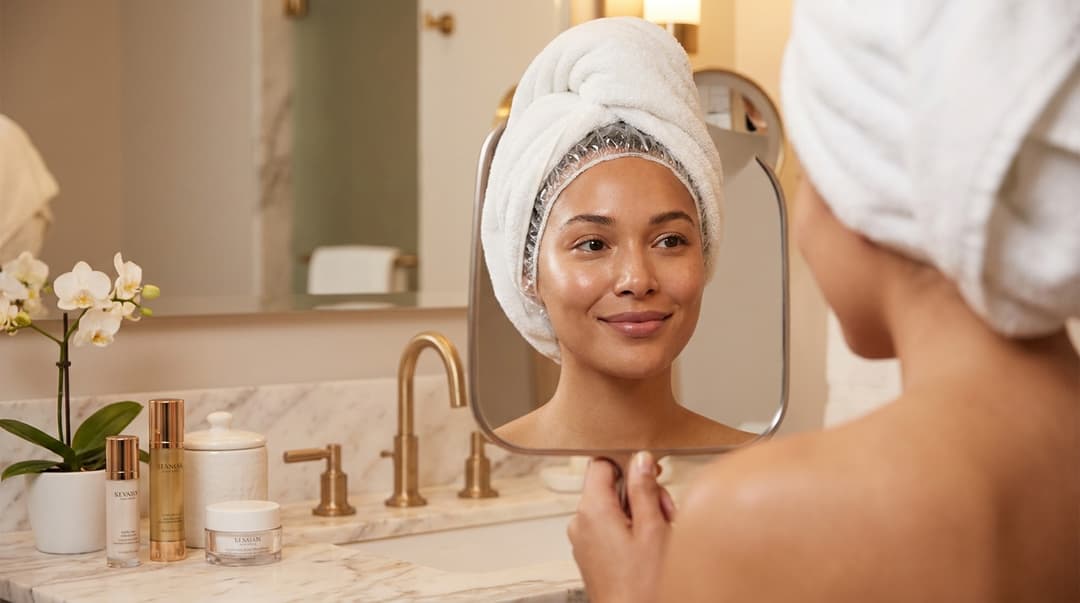
A great formula can still underperform if you use it like regular conditioner. So here’s the method that tends to work best.
- Shampoo first to remove oil, product buildup, and residue.
- Gently squeeze out excess water so the mask doesn’t slide right off.
- Apply the mask from mid-lengths to ends, using a wide-tooth comb or your fingers to distribute it evenly.
- Leave it on for the time listed on the label, usually 5 to 20 minutes.
- Rinse with lukewarm or cool water to help the cuticle lie flatter.
- Follow with a leave-in conditioner or a few drops of hair oil on the ends if your hair is extra dry.
A few small tweaks can make a big difference:
- Use a shower cap: Traps warmth and helps the mask spread more evenly.
- Don’t overapply: More product doesn’t always equal softer hair.
- Focus on the oldest hair: Your ends are usually the driest and most damaged part.
- Be gentle after rinsing: Swap rough towel drying for a microfiber towel or soft T-shirt.
Why is your hair still dry after using a mask?
If you’ve tried the best hair masks for dry hair and your strands still feel rough, there’s usually a reason beyond the mask itself.
Common issues include:
- Too much heat styling: Flat irons and blow-dryers can undo the softness you just added.
- Hard water buildup: Minerals can leave hair dull, rough, and resistant to conditioning.
- Using clarifying shampoo too often: This can strip away the oils your hair needs.
- Split ends and breakage: Sometimes damage is too advanced and needs a trim.
- Not sealing in moisture: A leave-in conditioner or light oil can help your mask results last longer.
Honestly, dry hair is often a routine problem, not just a product problem. If you’re washing with hot water, brushing aggressively, and heat styling daily, even the richest mask will struggle.
What else helps dry hair besides a mask?
Hair masks are great, but they work best as part of a bigger routine. If your hair is consistently dry, try these practical fixes today:
- Lower the water temperature when you rinse your hair.
- Use a satin or silk pillowcase to reduce overnight friction.
- Apply a leave-in conditioner on damp hair after washing.
- Limit hot tools or use the lowest heat setting that gets the job done.
- Trim damaged ends every couple of months if they’re splitting badly.
- Try a pre-shampoo oil treatment on very dry ends before wash day.
So, yes, a mask helps a lot. But pairing it with gentler habits is what usually gets you from “kind of better” to hair that actually feels healthy again.
The Bottom Line
The best hair masks for dry hair are the ones that fit your texture and damage level, with ingredients like butters, oils, ceramides, humectants, and sometimes protein. Use one regularly, apply it mostly to your lengths and ends, and support it with a gentler routine if you want softer, smoother hair that stays that way.
If you want more smart beauty picks and under-the-radar finds, sign up for Insider Beauty’s weekly deals and we’ll send the good stuff straight to your inbox.
Want more tips and exclusive beauty deals delivered to your inbox? Pop your email in the box below and join thousands of insiders who save big every week.