
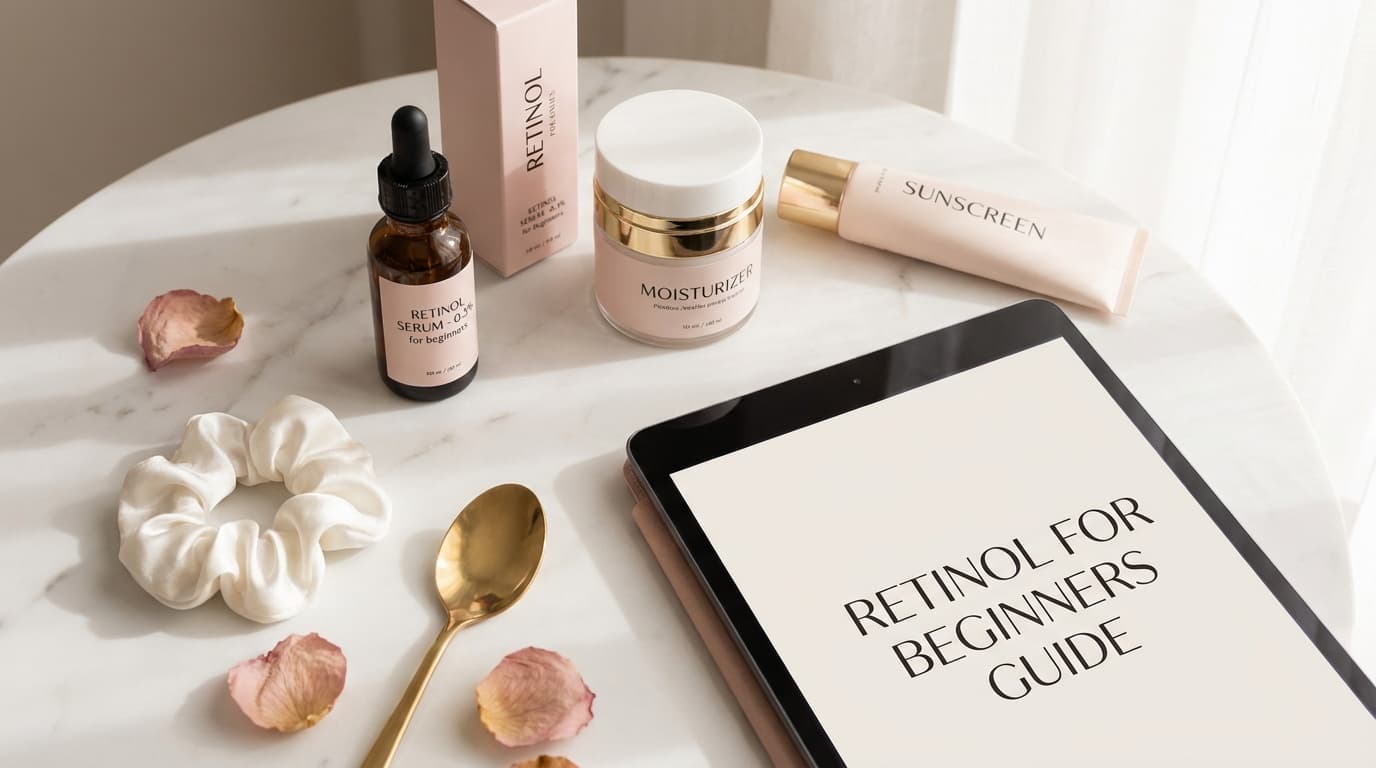
A retinol for beginners guide starts with one simple rule: go low, go slow, and protect your skin barrier. The safest way to start retinol is to use a low-strength formula 1 to 2 nights a week, follow with moisturizer, and wear SPF 30 or higher every morning.
Quick Takeaways
- Start with a low strength: Beginners usually do best with a low-percentage retinol serum or cream.
- Use it only a few nights a week at first: 1 to 2 nights weekly is plenty for the first couple of weeks.
- Moisturizer matters: Pairing retinol with a basic moisturizer helps reduce dryness and peeling.
- Daily sunscreen is non-negotiable: Retinol can make skin more sun-sensitive, so SPF is part of the routine.
- Results take time: Most people need about 8 to 12 weeks of consistent use to notice smoother texture or clearer-looking skin.
What is retinol and what does it do?

Retinol is a vitamin A derivative that helps speed up skin cell turnover and support collagen production. In plain English, it helps skin shed old cells faster and make room for fresher ones underneath.
That means retinol can help with:
- Fine lines and early signs of aging
- Uneven texture
- Post-acne marks
- Mild breakouts and clogged pores
- Dullness
So, why is there so much fuss around it? Because retinol is one of the most researched skincare ingredients out there. I've found that when people use it consistently and don't rush the process, it can genuinely make skin look smoother, clearer, and more even over time.
Still, beginner skin usually doesn't love being thrown into the deep end. That's where a smart retinol for beginners guide really helps.
How do beginners start using retinol?

The best beginner approach is boring, honestly, and that's a good thing. You don't need a 10-step routine. You need a steady one.
Follow this simple plan:
- Choose a low-strength retinol in a cream or serum formula.
- Use it at night on completely dry skin.
- Start with 1 night a week for 1 to 2 weeks.
- Increase to 2 nights a week if your skin feels okay.
- Add a plain moisturizer right after, or use the sandwich method.
- Wear broad-spectrum SPF 30+ every morning.
- Wait at least 8 weeks before deciding whether it's working.
Look, the biggest mistake beginners make is using too much, too often. More product doesn't mean faster results. Usually it just means a red, flaky face and instant regret.
What strength retinol should beginners use?
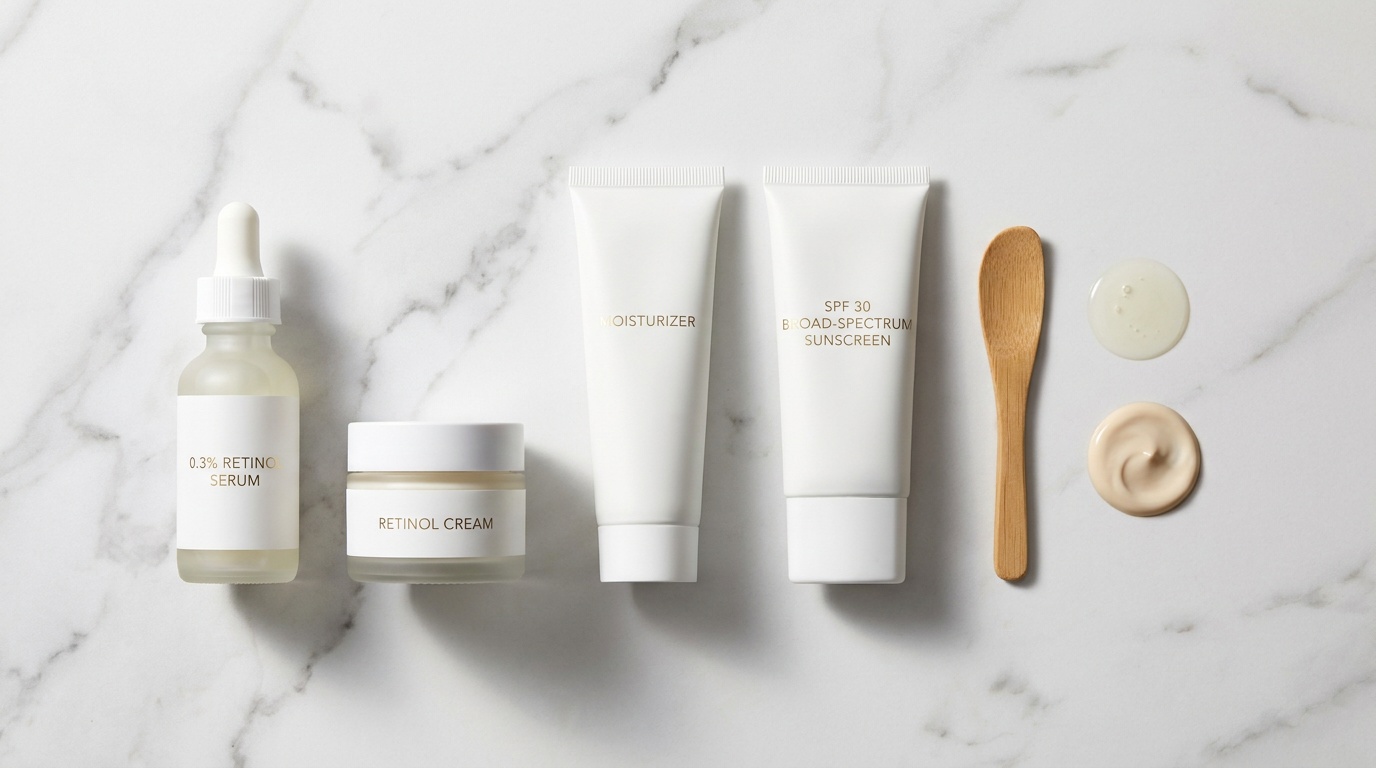
For most beginners, a low-strength retinol is the sweet spot. A formula around 0.1% to 0.3% retinol is usually a reasonable place to start, especially if your skin is dry, sensitive, or reactive.
Common beginner-friendly product types include:
- A low-dose retinol serum for normal to oily skin
- A retinol cream if your skin leans dry or easily irritated
- A moisturizing night lotion with retinol if you want something simple and less intense
I've found that cream-based retinol formulas tend to feel easier for first-timers because they cushion the ingredient a bit. Serums can be great too, but if the formula is very lightweight, you may need a richer moisturizer on top.
If you have very sensitive skin, you might even prefer a retinoid alternative at first, then work up to retinol later. That's totally fine. Slow progress is still progress.
How often should you use retinol at first?
The short answer: less than you think.
A beginner schedule can look like this:
- Weeks 1 to 2: 1 night a week
- Weeks 3 to 4: 2 nights a week
- Weeks 5 to 6: Every third night if your skin is comfortable
- After that: 2 to 4 nights a week, depending on tolerance
You do not need to use retinol every single night to get benefits. Plenty of people do well with 3 nights a week long term.
Honestly, your skin will tell you if you're moving too fast. If you notice burning, tightness that won't quit, stinging with basic products, or visible peeling, pull back. Take a few nights off, focus on hydration, and restart more slowly.
How do you use retinol without irritation?
This is the part everyone wants help with, because retinol can be amazing but it can also be a little dramatic in the beginning.
Here are the best ways to reduce irritation:
- Apply to dry skin only: Damp skin can increase penetration and make irritation worse.
- Use a pea-size amount: That's enough for your full face.
- Try the sandwich method: Moisturizer, then retinol, then another layer of moisturizer.
- Avoid harsh actives on retinol nights: Skip exfoliating acids, strong scrubs, and benzoyl peroxide unless a derm tells you otherwise.
- Don't apply too close to eyes, corners of nose, or lips: These areas get irritated fast.
- Keep the rest of your routine simple: Gentle cleanser, moisturizer, sunscreen. That's it.
So, if your skin starts flaking a little, that can be normal early on. But persistent burning or angry redness isn't a sign that it's "working better." It's usually a sign to back off.
What should you not mix with retinol?
Beginners usually do best when they avoid combining retinol with too many strong ingredients in the same routine.
Use caution with:
- AHAs and BHAs like glycolic acid, lactic acid, and salicylic acid
- Benzoyl peroxide in the same application routine
- Physical exfoliants like scrubs or cleansing brushes
- Other retinoids unless recommended by a dermatologist
That doesn't mean you can never use these ingredients. It just means you probably shouldn't pile them on all at once when you're new to retinol.
A simple beginner night routine looks like this:
- Gentle cleanser
- Lightweight hydrating serum, if you use one
- Retinol
- Moisturizer
And in the morning:
- Gentle cleanser or rinse with water
- Moisturizer
- Broad-spectrum sunscreen
I've found that people often overcomplicate this part. You really don't need three acids, a peel pad, and retinol in one night. Skin likes consistency way more than chaos.
When will you see results from retinol?

Retinol is not an overnight ingredient. Most beginners need 8 to 12 weeks to start noticing visible changes, and some concerns, especially fine lines or dark marks, can take longer.
Here's a rough timeline:
- 2 to 4 weeks: Possible dryness, mild flaking, or no visible change yet
- 6 to 8 weeks: Skin may start to feel smoother and look a bit brighter
- 8 to 12 weeks: Texture, clogged pores, and post-acne marks may begin improving
- 3 to 6 months: More noticeable changes in tone and fine lines for many users
Look, patience is annoyingly necessary here. If you stop after two weeks because nothing magical happened, you probably won't get to the good part.
Who should avoid retinol or ask a dermatologist first?
A retinol for beginners guide should also be honest about when not to start on your own. You may want to check with a dermatologist first if you:
- Have eczema, rosacea, or a compromised skin barrier
- Are using prescription acne treatments
- Have very sensitive or allergy-prone skin
- Are pregnant or breastfeeding and want guidance on vitamin A skincare products
If your skin is already inflamed, retinol might not be the best first move. Sometimes barrier repair comes first, and honestly, that's not a setback. It's just smart skincare.
The Bottom Line
The best retinol for beginners guide is simple: choose a low-strength retinol, use a pea-size amount 1 to 2 nights a week, moisturize well, and wear sunscreen every day. Start slowly, keep the rest of your routine gentle, and give it at least 8 to 12 weeks before expecting real results.
Retinol can absolutely be worth trying, but the win is in consistency, not intensity. If you want more easy skincare breakdowns and the best beauty buys, sign up for Insider Beauty's weekly deals newsletter.
Want more tips and exclusive beauty deals delivered to your inbox? Pop your email in the box below and join thousands of insiders who save big every week.