

The safest way to remove gel nails is to file the shiny topcoat, soak the gel with acetone, and gently lift it off without peeling or scraping hard. This method works because acetone breaks down the gel polish while protecting the layers of your natural nail. Here’s exactly how to remove gel nails safely at home.
Quick Takeaways
- Never peel gel polish off: Peeling takes off layers of your natural nail and can leave nails thin, rough, and sore.
- Use pure acetone for the fastest removal: Regular nail polish remover usually isn’t strong enough for gel.
- File the topcoat first: Breaking the seal helps acetone soak through the gel more evenly.
- Moisture matters after removal: Cuticle oil and hand cream help counter the drying effects of acetone.
- Stop if it resists: If the gel won’t budge, re-soak instead of forcing it.
What do you need to remove gel nails safely?
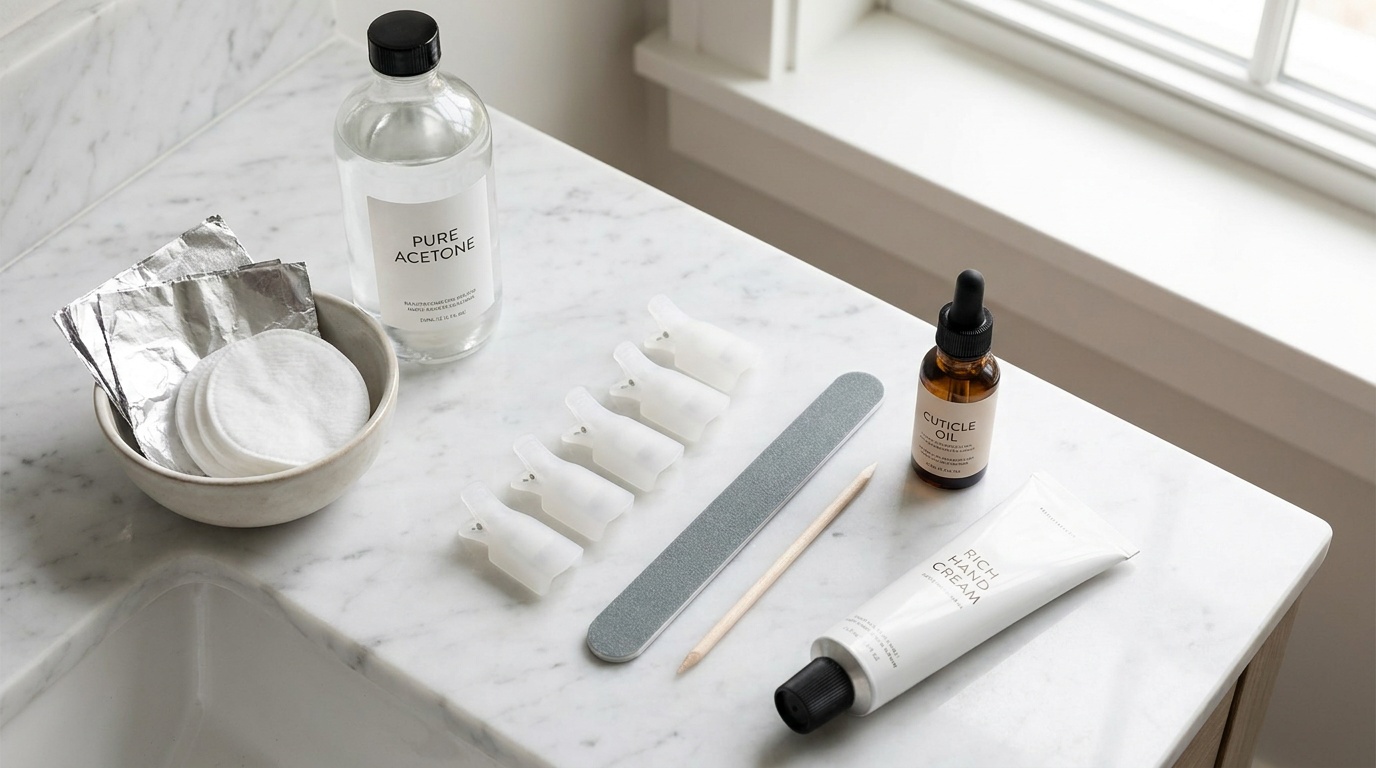
If you want to know how to remove gel nails safely, start by setting up the right tools. Honestly, this is where most damage happens—people get impatient, grab whatever’s nearby, and start picking.
Here’s what you’ll need:
- Pure acetone: This is the key product type for dissolving gel polish properly.
- Cotton balls or cotton pads: These hold the acetone against the nail.
- Aluminum foil or nail soak clips: Foil wraps are the classic option and work really well.
- Nail file: A medium-grit file helps remove the glossy top layer.
- Cuticle stick: A wooden or orangewood stick is gentler than metal tools.
- Cuticle oil: This helps rehydrate nails and the skin around them after soaking.
- Rich hand cream: Acetone can be super drying, so this helps seal moisture back in.
I’ve found that laying everything out before you start makes the whole process way less messy. It also keeps you from rushing, which is kind of the whole point here.
How do you remove gel nails safely at home?
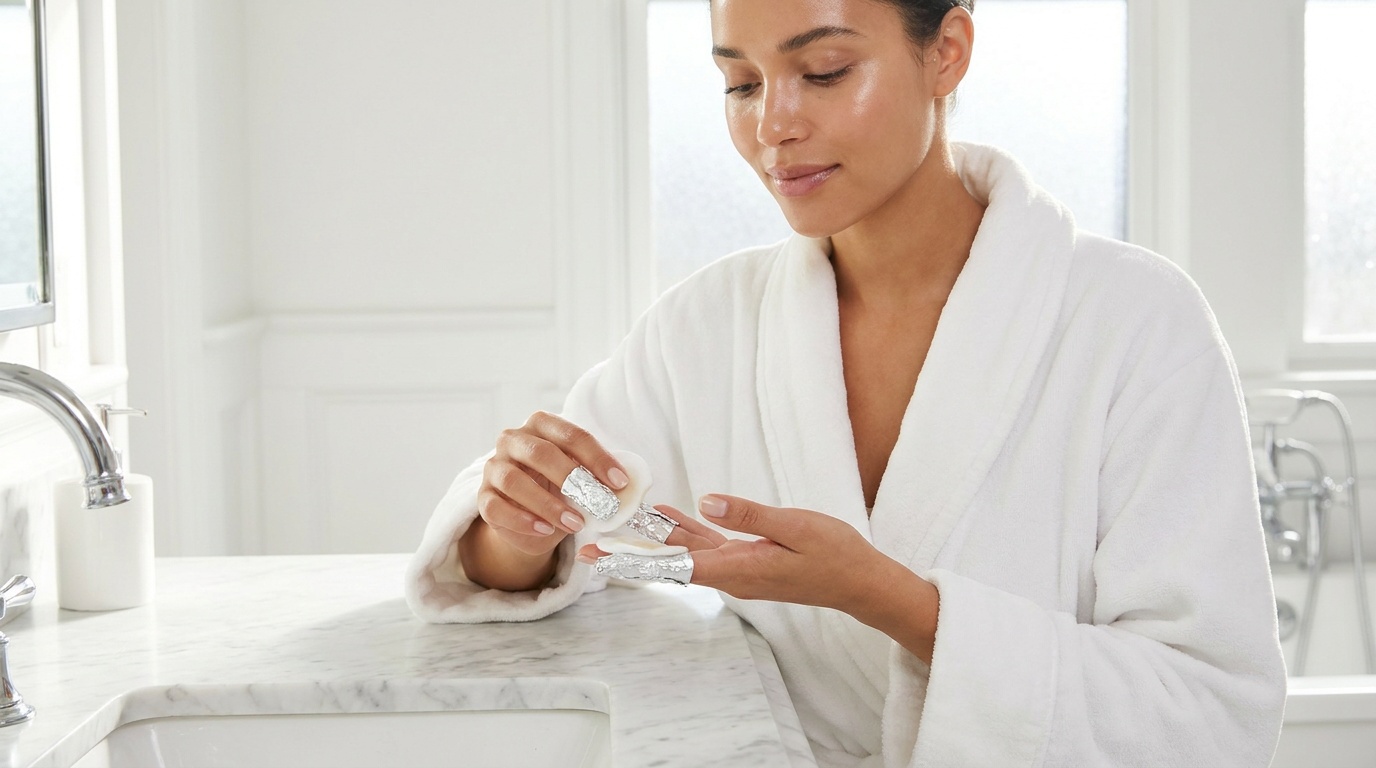
This is the step-by-step method I recommend most often. It’s simple, effective, and much kinder to your natural nails than peeling.
- Trim and file the surface of the gel.
- Soak cotton in pure acetone and place it on each nail.
- Wrap each fingertip with aluminum foil or use soak clips.
- Wait 10 to 15 minutes.
- Check one nail and gently push off softened gel with a cuticle stick.
- Re-wrap and soak again for 5 more minutes if needed.
- Buff very lightly only if small bits remain.
- Apply cuticle oil and hand cream right away.
A few notes here: don’t over-file before soaking, and don’t dig at stubborn patches. Look, softened gel should lift with light pressure. If it doesn’t, it’s not ready yet.
Why shouldn’t you peel gel polish off?

Peeling is the fastest way to turn a manicure mistake into nail damage. Gel polish bonds tightly to the nail plate, so when you pull it off, you often remove thin layers of keratin too.
That can lead to:
- Peeling natural nails
- White spots or rough patches
- Thin, bendy nail tips
- Splitting and breakage
- Temporary nail sensitivity
So, if you’ve been wondering how to remove gel nails safely without wrecking your nails, this is the big rule: don’t pick, peel, bite, or pry. Even if one corner lifts, resist the urge. I know, easier said than done.
How long should you soak gel nails in acetone?
Most gel manicures need 10 to 15 minutes in acetone after the topcoat has been filed. Thicker gel, multiple layers, darker shades, or older manicures may need 15 to 20 minutes total, usually in two rounds.
Here’s a quick breakdown:
- Soft gel polish: Often loosens in about 10 to 15 minutes
- Thicker gel layers: May need closer to 15 to 20 minutes
- Stubborn leftover patches: Usually need a second short soak, not more force
Honestly, patience matters more than pressure here. If you start scraping too soon, you can rough up the nail surface. I’ve found that warming your hands slightly beforehand—nothing extreme, just naturally warm hands—can help the soak feel a bit more effective.
What mistakes damage your nails during gel removal?
A lot of damage doesn’t come from gel itself. It comes from rough removal. If you’re trying to figure out how to remove gel nails safely, avoiding these mistakes matters just as much as following the right steps.
- Skipping the filing step: Acetone has a harder time penetrating the sealed topcoat.
- Using regular nail polish remover: Many formulas don’t contain enough acetone to break down gel.
- Scraping with metal tools: These can gouge the nail plate if used too aggressively.
- Peeling half-loosened gel: Even partly lifted gel can still take nail layers with it.
- Over-buffing afterward: Nails may feel smoother at first, but too much buffing thins them out.
- Ignoring aftercare: Acetone strips oils from the nail and surrounding skin.
So, yes, technique really matters. Gentle pressure, short re-soaks, and lots of moisture after—that’s the sweet spot.
How do you care for nails after gel removal?
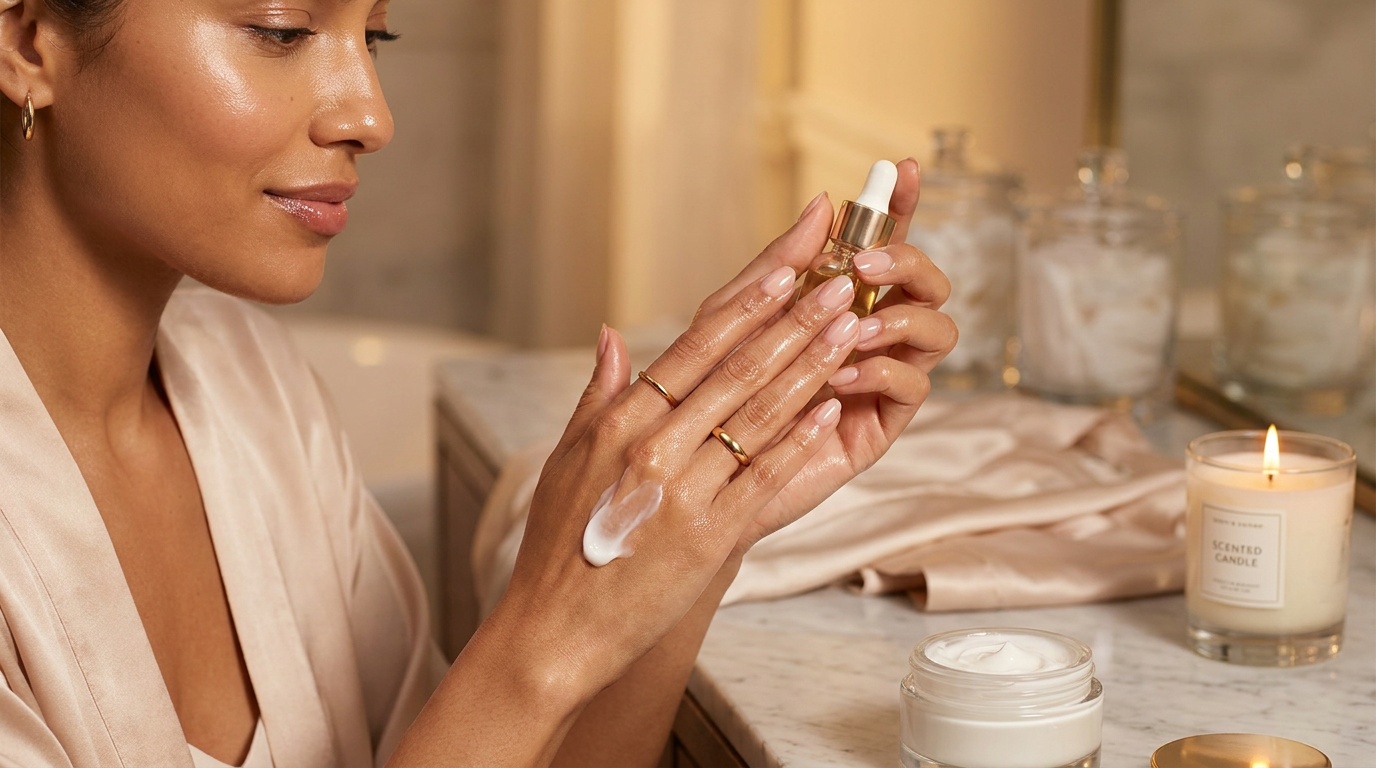
Once the gel is off, your nails usually need hydration more than anything else. Acetone is effective, but it’s drying. That doesn’t mean it’s bad—it just means aftercare can’t be an afterthought.
Here’s what helps most:
- Apply cuticle oil immediately: Jojoba-based or plant oil blends are great because they mimic natural skin oils pretty well.
- Use a rich hand cream: Look for glycerin, shea butter, or ceramides to support moisture.
- Keep nails short for a few days if they feel weak: This reduces snagging and breakage.
- Take a short break from gel if your nails feel thin: Even a week or two can help.
- Use a strengthening base coat or nourishing treatment: A simple nail treatment product can help protect the surface while nails recover.
I also like to massage oil into the cuticles before bed for a few nights after removal. It’s low effort, and you can really feel the difference.
Can you remove gel nails without acetone?
Technically, there are non-acetone methods floating around online, but most aren’t truly safe or effective for gel. They usually involve more scraping, more peeling, or excessive filing, which can do more harm than a proper acetone soak.
If you’re sensitive to acetone, a few things can make the process gentler:
- Protect the skin around nails with a little petroleum jelly before soaking
- Use acetone only on the nail area, not all over your hands
- Wash hands after removal and reapply cuticle oil right away
- Choose foil wraps over soaking your whole fingertips in a bowl
Honestly, targeted acetone removal is usually the least damaging option for gel polish. It sounds harsher than it is, but when used correctly, it’s often the cleanest route.
When should you go to a salon instead?
At-home removal works well for standard gel polish, but there are times when professional help makes more sense.
Consider a salon visit if:
- You’re not sure whether you have hard gel, builder gel, or dip overlay
- Your nails already feel thin, cracked, or painful
- The gel has been applied in very thick layers
- You see lifting combined with green, yellow, or dark discoloration
- You’ve tried soaking twice and the product still won’t release
Look, not every manicure product removes the same way. Hard gel, for example, often needs filing rather than soaking. If you’re unsure what’s on your nails, it’s better to pause than guess.
The Bottom Line
If you want to know how to remove gel nails safely, the best method is simple: file the topcoat, soak with pure acetone, gently lift softened gel, and follow with moisture-rich nail care. Don’t peel, don’t rush, and don’t force off stubborn bits. Safe removal is really about patience, the right product types, and giving your nails some support afterward.
If you want more ingredient-smart beauty tips and a little help saving on your next self-care restock, sign up for Insider Beauty’s weekly deals.
Want more tips and exclusive beauty deals delivered to your inbox? Pop your email in the box below and join thousands of insiders who save big every week.