
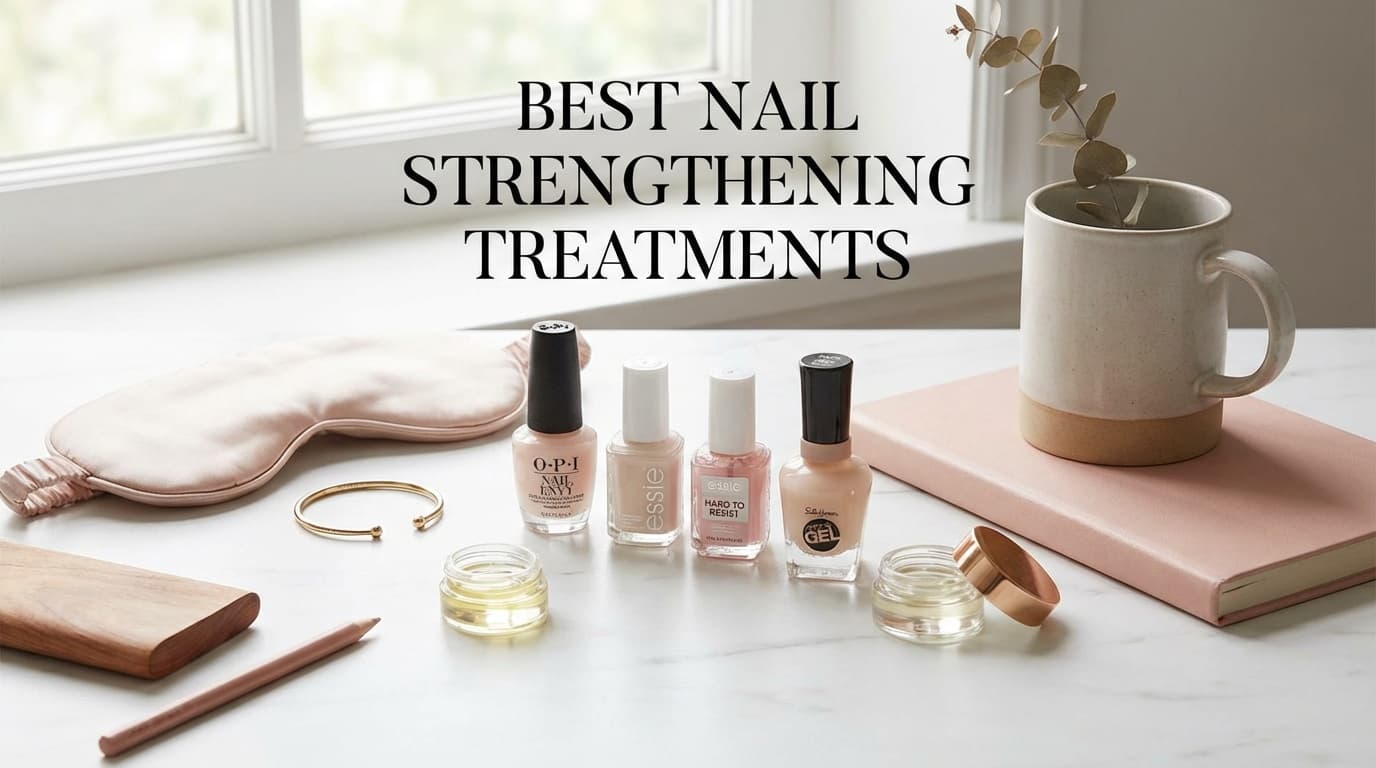
The best nail strengthening treatments are protein-based nail hardeners for weak peeling nails, hydrating cuticle oils for dryness, and ridge-filling strengthening base coats for daily protection. They work best when you match the treatment to the reason your nails are breaking, because brittle nails need moisture while soft, bendy nails usually need structure and protection.
Quick Takeaways
- Best overall approach: Combine a strengthening treatment with daily cuticle oil and gentler nail care habits.
- For peeling nails: Look for nail treatments with keratin, hydrolyzed proteins, or biotin plus oils to reduce dryness.
- For soft, bendy nails: A nail hardener or strengthening base coat can add temporary support and reduce splitting.
- For dry, brittle nails: Use jojoba oil, vitamin E, and glycerin to improve flexibility so nails snap less.
- Biggest mistake: Overusing harsh removers, buffing too much, and keeping nails wet for long periods.
What are the best nail strengthening treatments?
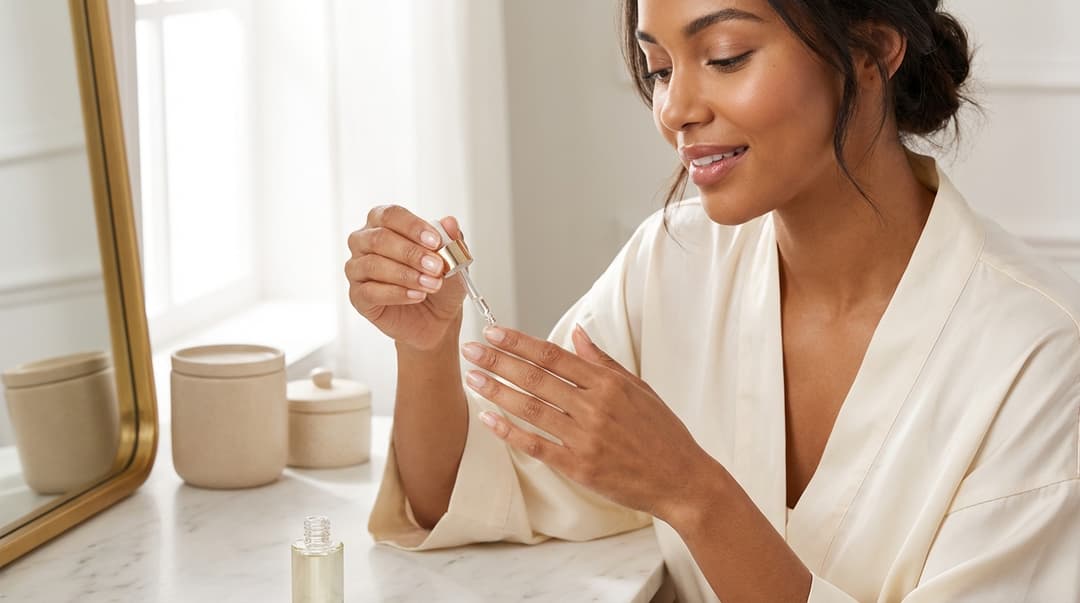
The best nail strengthening treatments depend on what your nails are dealing with. If they're peeling at the tips, a protein treatment and regular oiling usually help most. If they're soft and tearing, a strengthening base coat or nail hardener can create a protective layer. If they're dry, rough, and splitting, cuticle oil and a rich hand cream are honestly just as important as any treatment polish.
I've found that people often buy the strongest hardener they can find, then wonder why their nails still crack. Look, nails need a balance of strength and flexibility. Too hard, and they can become more likely to snap. Too dry, and they peel like old paint.
Here are the most useful product types to consider:
- Nail hardeners: Best for soft, thin nails that bend too easily.
- Protein or keratin treatments: Best for peeling, damaged nails that need reinforcement.
- Cuticle oils and nail serums: Best for brittle nails caused by dryness and overexposure to water or remover.
Which ingredients actually strengthen nails?
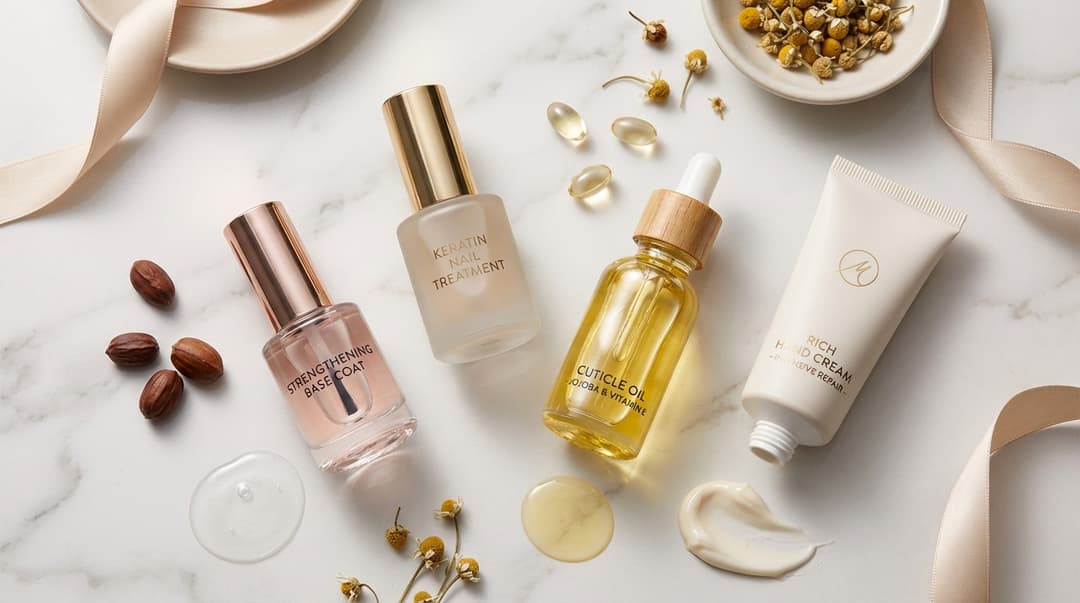
When you're shopping for the best nail strengthening treatments, ingredients matter more than flashy claims. A few ingredients show up again and again in formulas that make sense.
- Keratin: Helps support the nail surface and is especially useful in reparative treatments.
- Hydrolyzed wheat protein or soy protein: These can help reinforce weak, peeling nails.
- Biotin: Often included in nail products and supplements, though topical results can vary.
- Calcium: Common in nail strengtheners, but it works best as part of a complete formula rather than a miracle fix.
- Jojoba oil: One of my favorites because its structure is close to skin's natural oils, so it sinks in nicely around the nail.
- Vitamin E: Helps nourish dry cuticles and reduce brittleness.
- Glycerin and panthenol: Humectants that pull in moisture and help nails stay more flexible.
Honestly, I pay close attention to what a formula leaves out too. If your nails are already damaged, frequent exposure to formaldehyde-heavy hardeners, strong solvents, or lots of drying alcohol can make things worse over time. A little structure is helpful. Too much can leave nails feeling stiff and fragile.
How do you choose the right treatment for your nail type?
This is where most people get better results fast. Match the treatment to the symptom.
- If your nails peel in layers: Use a protein treatment 2 to 3 times a week and apply cuticle oil daily.
- If your nails bend and tear: Choose a strengthening base coat or mild nail hardener for extra support.
- If your nails are dry and splitting: Focus on hydration with jojoba oil, hand cream, and less acetone exposure.
- If your nails are damaged after gels or acrylics: Use a repairing nail serum, keep nails short, and avoid aggressive buffing.
- If your nails break from daily chores: Wear gloves for dishwashing and cleaning, because water swelling and drying can weaken nails fast.
So, if you're not sure where to start, go with a gentle strengthening base coat plus cuticle oil. That's the combo I come back to most often because it's simple, low-fuss, and doesn't usually overwhelm already stressed nails.
Are nail hardeners or cuticle oils better?

Both can be part of the best nail strengthening treatments, but they do different jobs.
A nail hardener creates a tougher surface. That's useful if your nails feel flimsy, thin, or overly flexible. A cuticle oil improves moisture and flexibility, which helps prevent cracking and peeling. In real life, lots of brittle nails need both.
Here's a quick way to think about it:
- Choose a nail hardener if: Your nails fold, bend, or tear before they grow.
- Choose cuticle oil if: Your nails look dry, peel at the edges, or break after hand washing.
- Choose both if: Your nails are weak, rough, and damaged from polish, gel removal, or winter dryness.
I've found that daily oiling makes a bigger difference than people expect. Not overnight, obviously, but within a couple of weeks nails usually look smoother and less ragged around the edges. It's not glamorous advice, I know, but it works.
How can you strengthen nails at home fast?
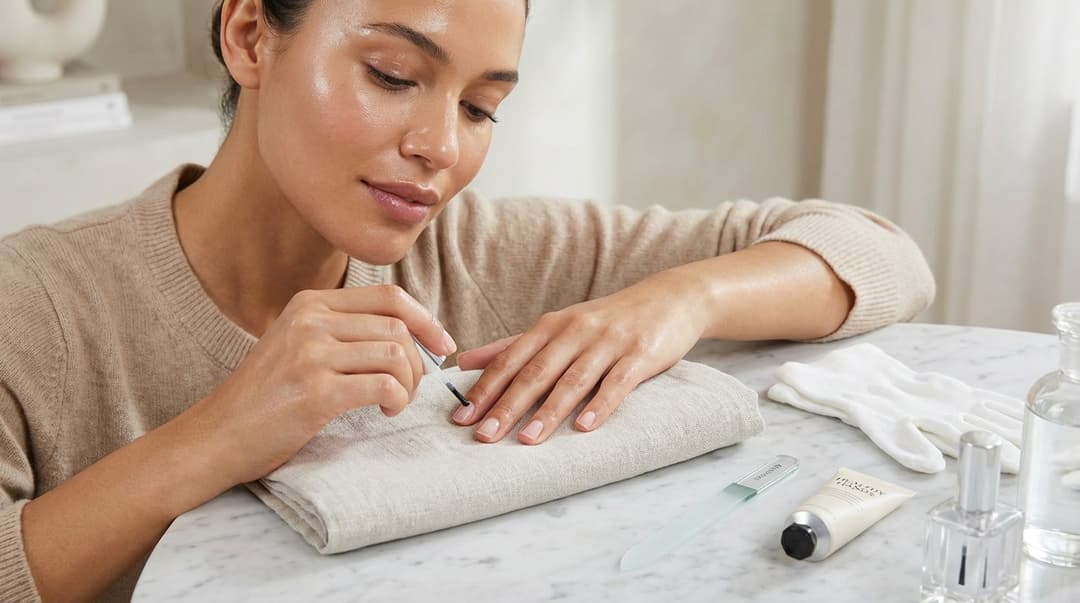
You can start improving weak nails today with a few practical habits. The fastest visible results usually come from protecting the nail plate, not just treating it.
- Apply cuticle oil twice daily: Massage it into the nail plate and surrounding skin.
- Use a strengthening base coat: Reapply as directed to create a protective barrier.
- Keep nails shorter for now: Shorter nails catch less and break less while they recover.
- File in one direction: A fine-grit file is gentler and can reduce fraying at the tip.
- Wear gloves for wet work: Repeated soaking and drying makes nails expand and contract, which can lead to peeling.
- Take polish breaks if nails are stressed: Especially after gel or acrylic removal.
- Use hand cream after washing: This helps lock in moisture and supports the skin around the nail too.
Look, your nails won't transform in two days. Fingernails grow at roughly 3 millimeters per month, so real improvement takes a little patience. But you can absolutely reduce breakage this week by cutting down on water exposure, acetone, and rough filing.
What habits make nails weaker?
Sometimes the best nail treatment is stopping the thing that's causing the damage. A few common habits can quietly sabotage even the best nail strengthening treatments.
- Using acetone remover too often: It works fast, but it can strip oils from the nail and surrounding skin.
- Peeling off polish or gel: This takes layers of nail with it, which is a big reason nails feel thin after removal.
- Buffing too aggressively: Overbuffing thins the nail plate and makes it more vulnerable.
- Leaving nails wet for long periods: Water exposure can make nails swell, then weaken as they dry out again.
- Using nails as tools: Opening cans, scraping labels, or picking at stickers sounds harmless until a corner tears.
Honestly, the water piece surprises people most. Nails can absorb a lot of water, and that repeated swelling can lead to delamination, which is just the fancy word for peeling layers.
How long do nail strengthening treatments take to work?
Most nail strengthening treatments start making nails feel more protected within a few days, but visible repair takes longer. You may notice less snagging and fewer tears in 1 to 2 weeks. More noticeable improvement usually shows up in 4 to 8 weeks, depending on how damaged your nails are and how consistent you are.
A few realistic expectations:
- Hydration benefits show up first: Cuticles look better quickly.
- Surface protection is immediate: Base coats and hardeners help right away.
- True regrowth takes time: Damaged nail has to grow out gradually.
So, if the ends are still peeling after one week, don't panic. That damaged part may simply need time to grow past the fingertip. Keep protecting new growth at the base, because that's where healthier nails begin.
The Bottom Line
The best nail strengthening treatments are the ones that match your nail issue: protein treatments for peeling, hardeners or strengthening base coats for soft nails, and cuticle oils for dryness and brittleness. For most people, the sweet spot is a gentle strengthening treatment plus daily oil and better nail habits.
I've found that simple routines beat complicated ones every time. A little jojoba oil, a solid strengthening base coat, shorter nails for a few weeks, and gloves for cleaning can make a real difference.
If you want more ingredient-focused beauty tips and soft deals on the good stuff, sign up for Insider Beauty's weekly deals and keep your routine a little smarter, and a lot less wasteful.
Want more tips and exclusive beauty deals delivered to your inbox? Pop your email in the box below and join thousands of insiders who save big every week.