
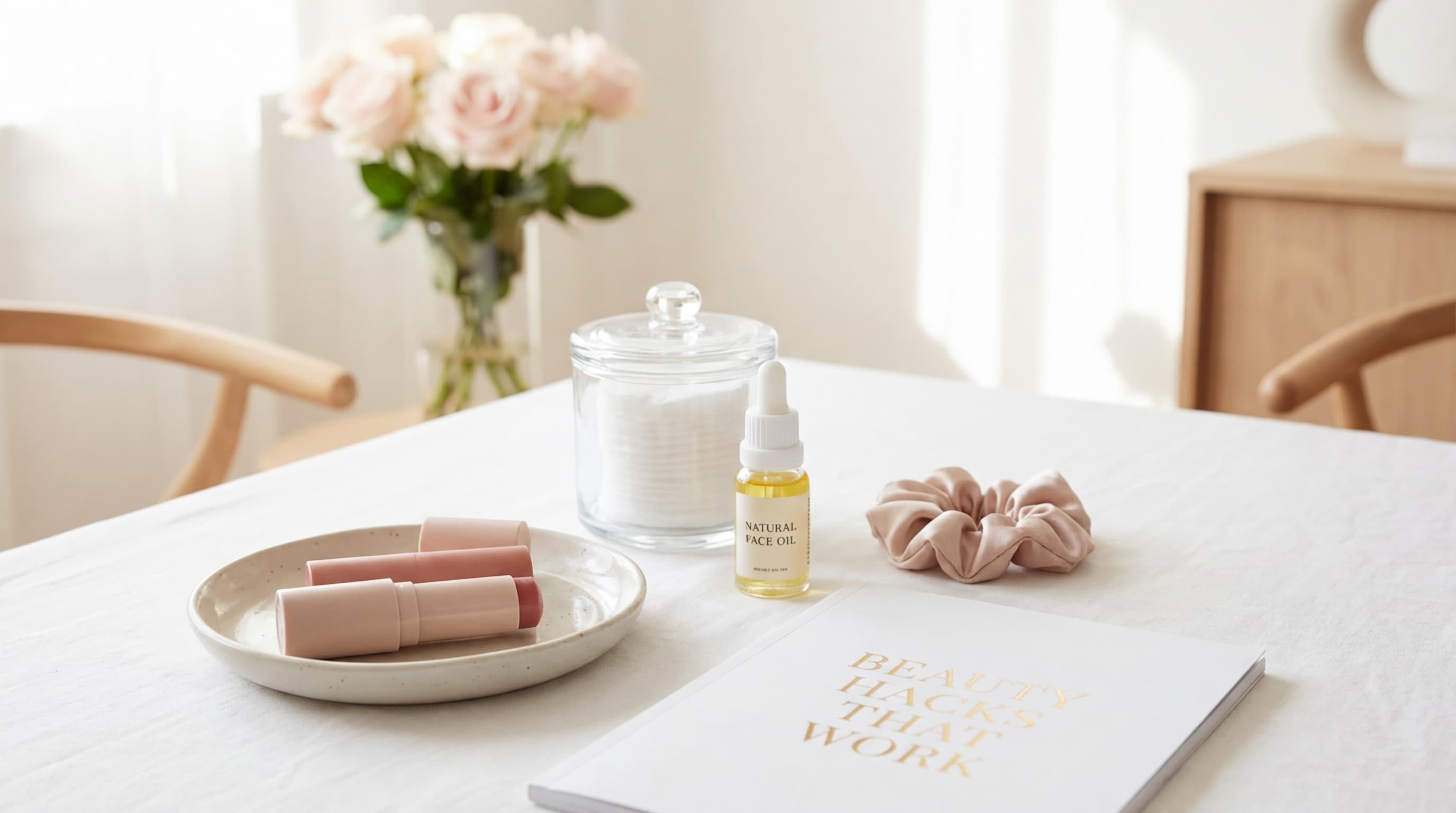
Beauty hacks that actually work are usually the simplest ones: using cold tools to reduce puffiness, applying skincare on damp skin, and layering products in the right order. These tricks work because they support how skin, hair, and makeup formulas actually behave, not because they're trendy. Here's how to use the best beauty hacks that actually work today.
Quick Takeaways
- Apply skincare on damp skin to help humectants like glycerin and hyaluronic acid hold onto water better.
- Use thin layers of makeup and let each layer set for a smoother, longer-lasting finish.
- Cold tools and caffeine eye products can temporarily reduce puffiness fast.
- Cream products are great for dry or textured skin because they melt in more naturally than heavy powders.
- A clean spoolie, microfiber cloth, and facial oil can fix a surprising number of beauty problems without extra waste.
How to make skincare work better with less product
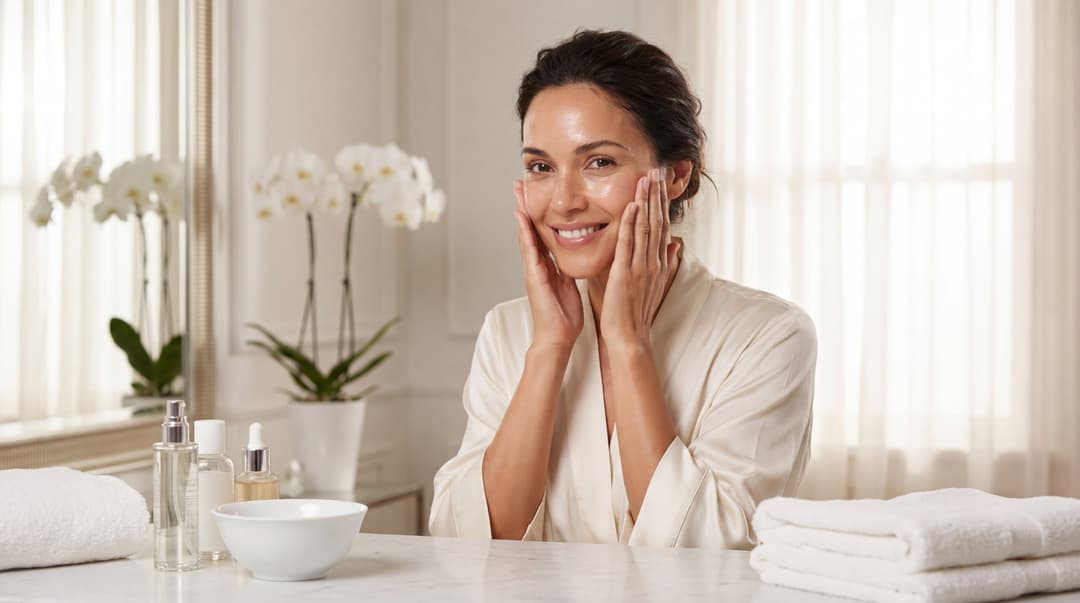
A lot of beauty hacks that actually work start with skincare, because if your skin is dehydrated or irritated, makeup usually won't sit right either. I've found that people often use too much product and still don't get better results.
Try this simple order:
- Cleanse with a gentle cleanser that doesn't leave your skin squeaky.
- Apply hydrating serum or essence while skin is still slightly damp.
- Seal it in with moisturizer.
- In the morning, finish with sunscreen.
Why this works: humectants like hyaluronic acid, glycerin, and panthenol pull in water, but they perform best when there's actually moisture on the skin. If you apply them to a dry face in a dry room, the result can feel kind of underwhelming.
Look, one of the easiest tricks is pressing in a barrier-supporting moisturizer right after cleansing instead of waiting until your face is fully dry. This can help reduce tightness and flaky patches, especially if you use active ingredients like retinol or exfoliating acids.
A few more skincare shortcuts that really help:
- Use petroleum jelly or a thick balm only on dry spots: Great for corners of the nose, under the lips, or flaky patches.
- Mist isn't a moisturizer: If you use a face mist, follow with cream or lotion so the water doesn't just evaporate.
- Don't over-exfoliate: Once or twice a week is enough for most people using a chemical exfoliant.
How to reduce puffy eyes fast
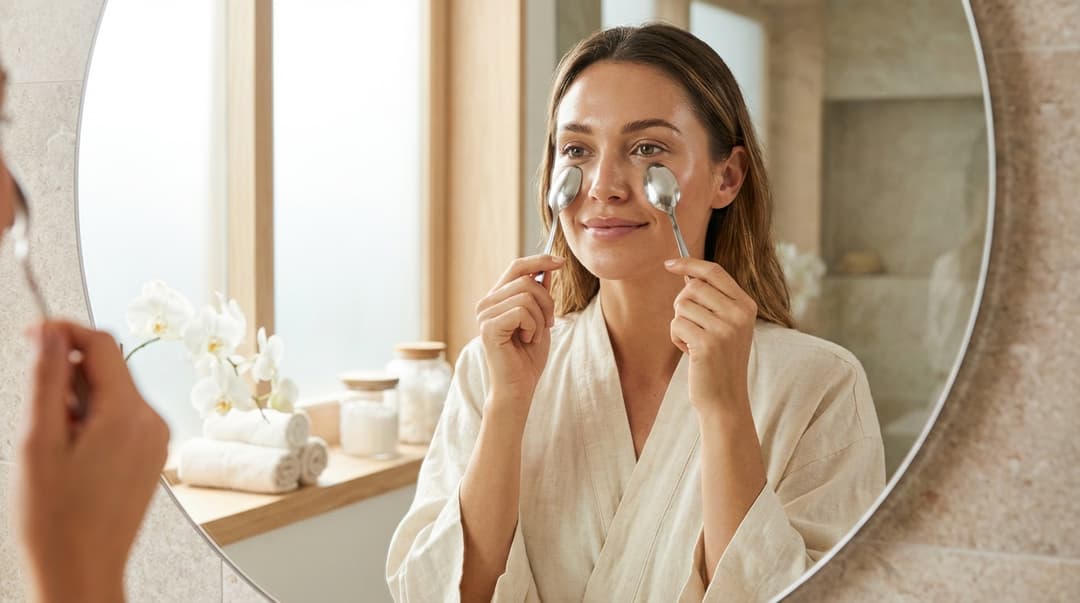
If you want a same-day trick, this is one of the best. Puffy eyes respond well to cool temperature, gentle massage, and caffeine-based formulas.
Here's what to do:
- Chill metal spoons, gel eye patches, or a facial roller for 10 to 15 minutes.
- Press gently under the eyes and along the orbital bone for a minute or two.
- Apply an eye serum or gel with caffeine.
- Pat, don't rub, then wait a minute before concealer.
So, does this permanently fix under-eye bags? No. But it can absolutely help with temporary swelling from salty food, allergies, crying, or bad sleep. I've done the cold spoon trick before early meetings, and honestly, it works better than some expensive products I've tested.
For concealer after de-puffing, use a lightweight liquid concealer in a thin layer. Too much product under the eyes settles into lines and makes puffiness look worse.
How to make makeup last longer naturally
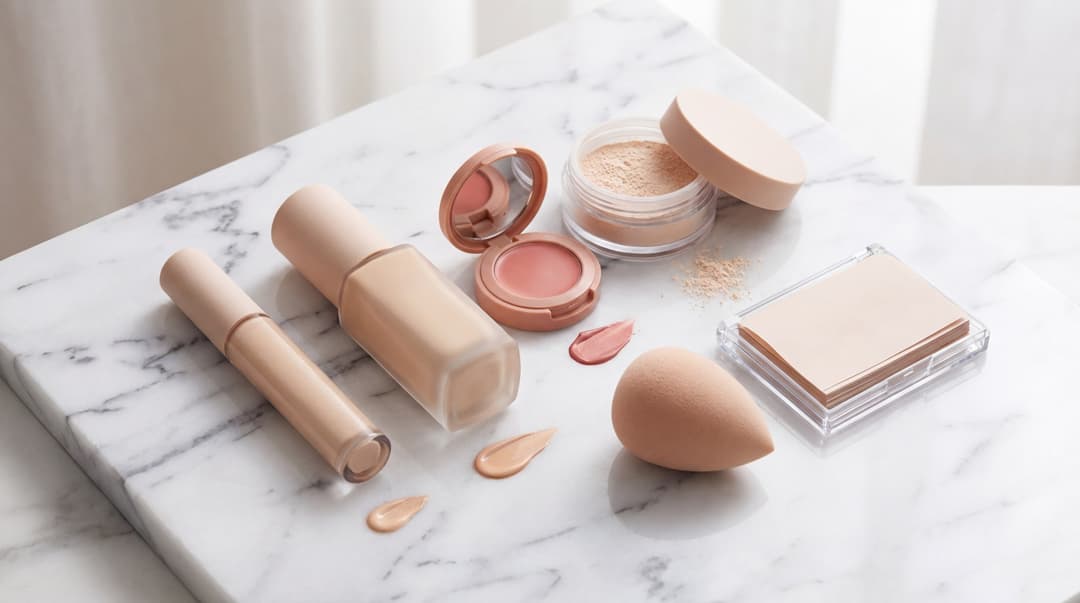
Long-wearing makeup doesn't always come from buying more products. Often, it comes from using less and letting each layer do its job.
These makeup hacks actually work because they reduce slipping, pilling, and patchiness:
- Prep based on skin type: Use gel moisturizer for oily skin, richer cream for dry skin.
- Let skincare sit for 2 to 5 minutes: This gives sunscreen and moisturizer time to settle.
- Apply foundation in thin layers: One sheer layer looks better than one thick one.
- Use cream blush before powder: It grips better and gives a more skin-like finish.
- Set only where needed: Usually around the nose, chin, forehead, and under eyes.
Honestly, one of the most useful tricks is pressing makeup in with a damp sponge instead of dragging it around with a brush when your skin is dry or textured. The sponge absorbs a little excess product, so your base looks fresher and less heavy.
If your makeup separates midday, don't keep piling on powder. Blot first with tissue or blotting paper, then lightly reapply powder only where shine is strongest. That's one of those beauty hacks that actually work every single time.
What to do when mascara, brows, or liner go wrong
Eye makeup mistakes are weirdly easy to fix without starting over.
Here are the fastest fixes:
- Let mascara smudges dry completely.
- Flick them away with a clean dry spoolie or cotton swab.
- If liner skips, warm the pencil on the back of your hand for a few seconds.
- Brush brows upward first, then fill sparse spots instead of drawing one harsh shape.
- Set brows with clear brow gel for hold without crunch.
This works because wet smudges spread, while dry smudges lift off more cleanly. I learned this the hard way years ago when I kept trying to wipe fresh mascara and ended up with a whole raccoon situation.
For lashes that won't hold a curl, try this sequence: curl first, apply one thin coat of mascara, let it get slightly tacky, then add a second coat just at the base and middle. Heavy mascara on the tips can pull the curl down.
Which hair hacks really help with frizz and flat roots
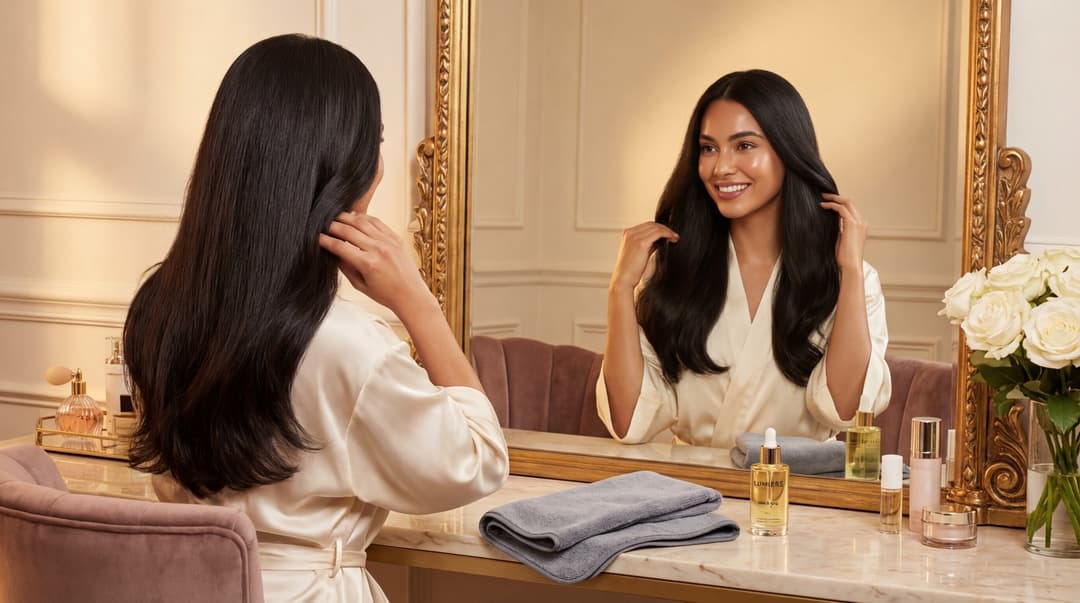
Hair hacks can get gimmicky fast, but a few really do make styling easier. The key is understanding whether your hair needs more moisture, less buildup, or a better drying method.
For frizz, these tend to help most:
- Use a microfiber towel or soft T-shirt: Regular bath towels rough up the cuticle.
- Apply leave-in conditioner to damp hair: Focus on mid-lengths and ends.
- Seal with a drop of facial oil or hair oil: Just a tiny bit to smooth flyaways.
- Don't brush dry curls: Use fingers or a wide-tooth comb on damp hair instead.
For flat roots:
- Flip your part to the opposite side while drying.
- Dry roots first, lifting them up and away from the scalp.
- Use dry shampoo on clean hair if you get oily fast.
- Once hair cools, flip it back.
That dry shampoo-on-clean-hair trick surprises people, but it can help absorb oil before it spreads and gives roots more texture. Just don't go overboard, because buildup can irritate the scalp.
Are DIY beauty hacks safe for skin?
Some are. A lot aren't. That's the honest answer.
I've found that the safest DIY beauty hacks that actually work are the ones that don't ask your skin to tolerate harsh kitchen ingredients. Gentle, low-risk options are usually better than lemon juice, baking soda, or toothpaste on blemishes. Please skip those.
Safer options include:
- Colloidal oatmeal masks: Good for temporary soothing when skin feels irritated.
- Honey as a short contact mask: Can feel softening for some skin types, though patch testing matters.
- A plain occlusive balm on cuticles and dry patches: Simple and effective.
DIY tricks to avoid:
- Lemon juice on dark spots: Too irritating and can increase sensitivity.
- Baking soda scrubs: Too alkaline for skin.
- Toothpaste on pimples: Drying, irritating, and not made for facial skin.
So, if a hack sounds harsh, stings a lot, or promises instant dramatic results, that's usually a red flag. Skin barrier damage is not worth it.
What beauty tools are actually worth keeping on hand
You don't need a drawer full of gadgets. A few useful tools can make your routine easier, cleaner, and less wasteful.
My shortlist:
- Clean spoolie: Fixes lashes, brows, and clumps.
- Microfiber cloth: Helps remove makeup gently with less rubbing.
- Damp makeup sponge: Great for pressing in base products naturally.
- Stainless steel facial roller or chilled spoons: Helpful for temporary puffiness.
- Wide-tooth comb: Better for detangling damp hair with less breakage.
Look, the best beauty hacks that actually work aren't usually flashy. They're practical, repeatable, and based on how ingredients and textures behave. That's why simple tools often outperform trendy gadgets.
The Bottom Line
The best beauty hacks that actually work help your products perform better, save time, and cut down on waste. Think damp-skin hydration, cold tools for puffiness, thin makeup layers, microfiber drying for hair, and simple fix-it tools like a spoolie or sponge. Small changes really can make a visible difference, and you don't need a complicated routine to see it.
If you want more smart, ingredient-focused tips and a heads-up on Insider Beauty's weekly deals, sign up for the newsletter and I'll send the good stuff your way.
Want more tips and exclusive beauty deals delivered to your inbox? Pop your email in the box below and join thousands of insiders who save big every week.